Closing the gender play gap

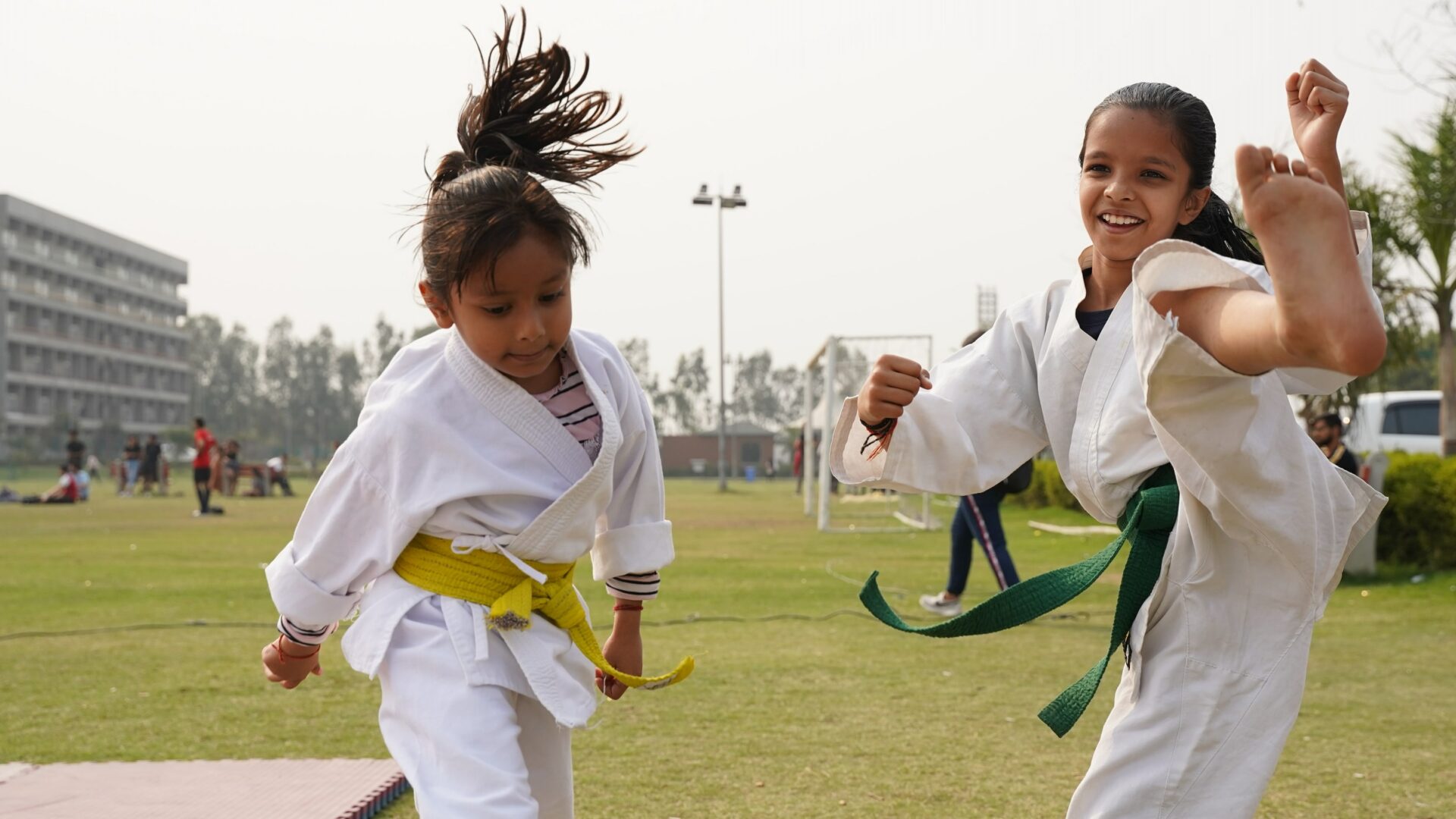
Two young girls practising karate (Brent Cross Town)
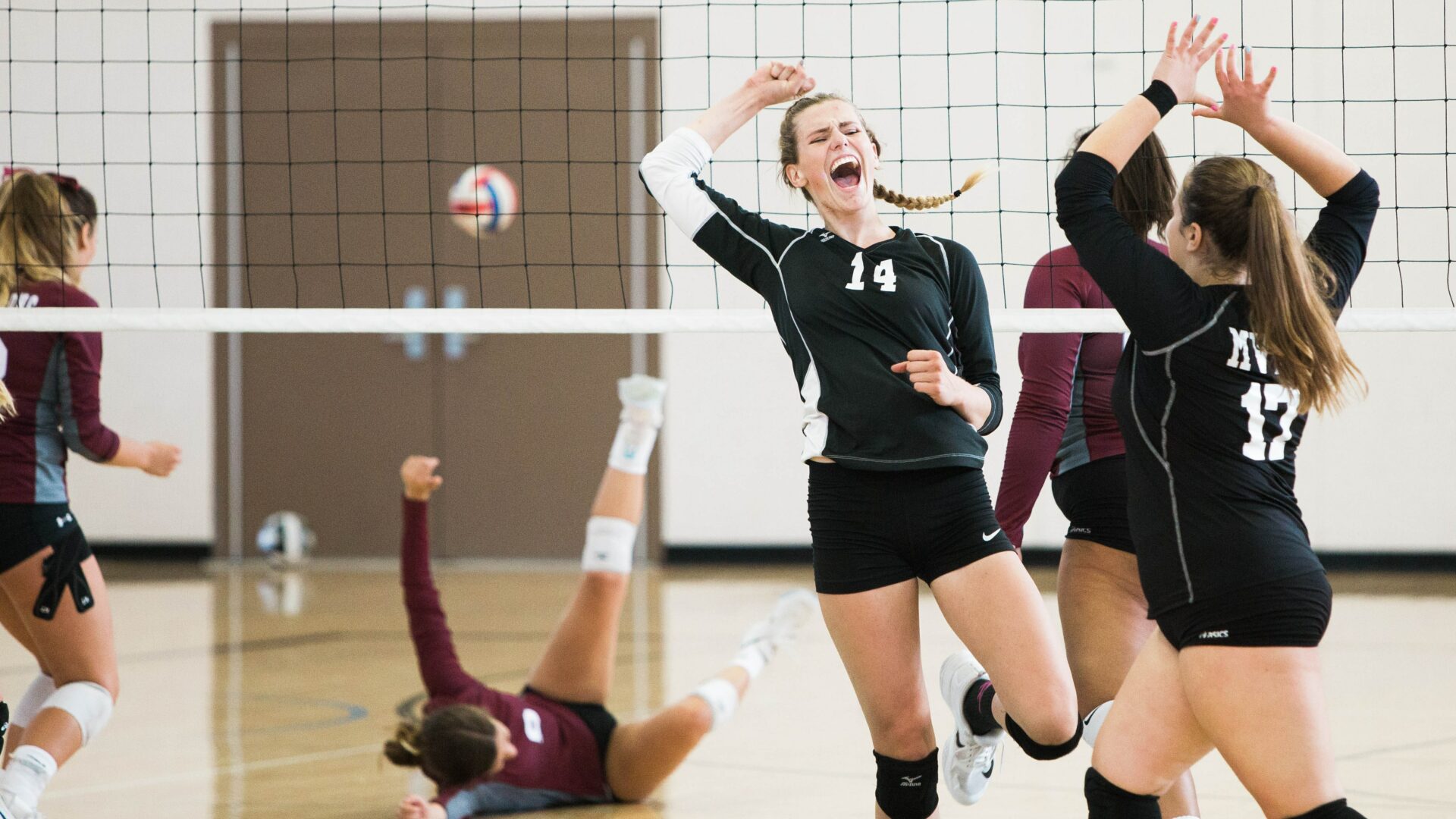
Mutual support can be really powerful; when you feel things aren’t going well, there’s always somebody to lift you up.

Everyone should be able to enjoy the high of a great game, the pleasant burn of a workout or the calm of a stroll.

But sport has a gender gap – and there are fears that Covid-19 has only made things worse. Lockdown has put a stop to group classes, for instance, whose participants skew female, while the burden of homeschooling and caring responsibilities has disproportionately eaten into women’s time. On the elite end, women’s sport has been less likely to receive support to keep going.

The gender play gap is a pattern that Brent Cross Town is determined to reverse. This is why we’re working with inclusion charity Women in Sport to make sure that everyone, no matter their background or fitness level, can experience the lifelong benefits of getting active. 

 (Brent Cross Town)
Kate Nicholson, head of insight and innovation at Women in Sport

The best way to create places that are truly inclusive is to build them like that from the beginning. “It’s brilliant that the thinking about sport and the inclusiveness of sport is being integrated [at Brent Cross Town] and built in right from the start,” says Kate Nicholson, the charity’s head of insight and innovation.

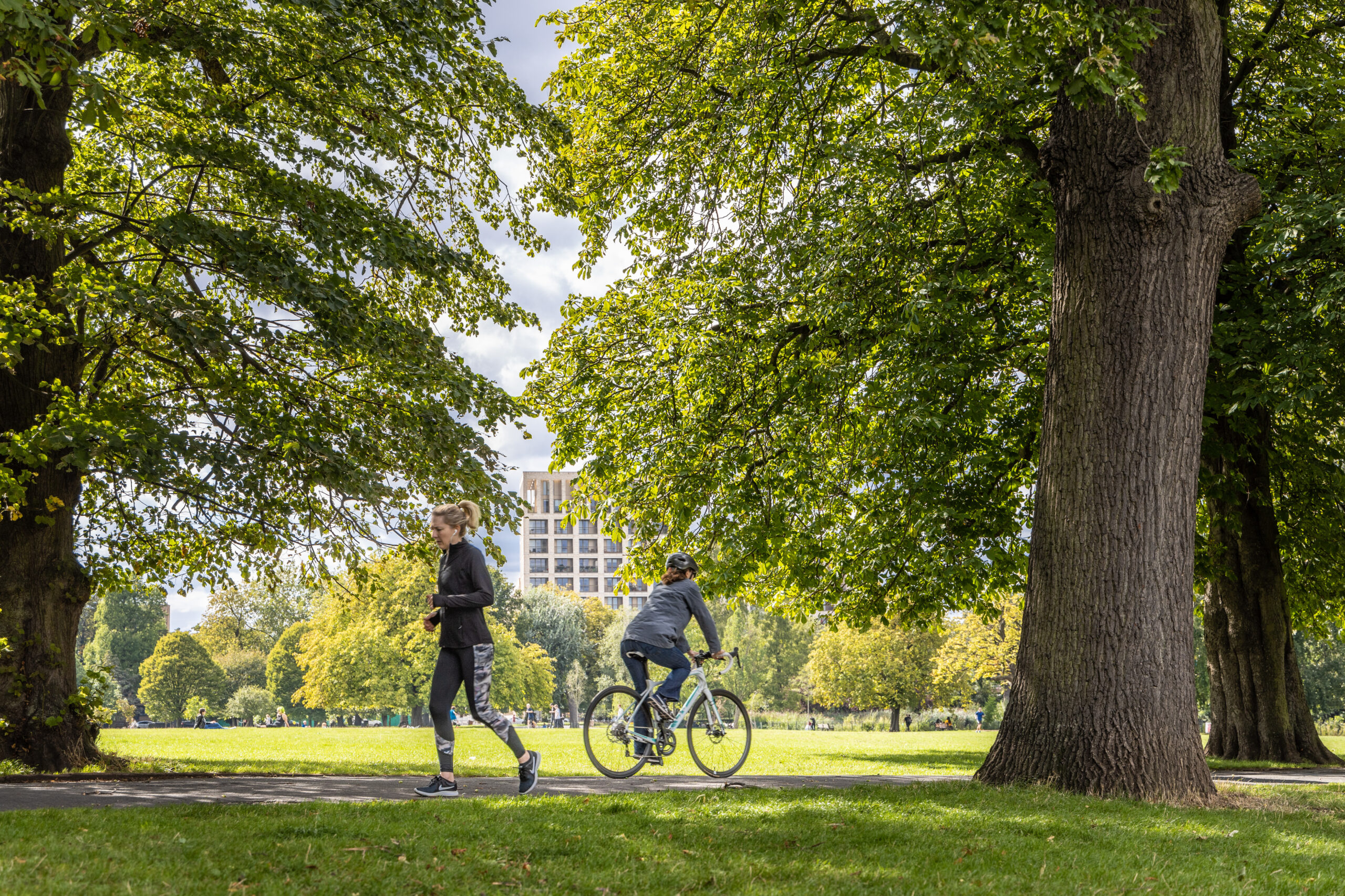
For a start, this means prioritising walking and running paths that are safe and well-lit, as well as programming spaces with activities already popular with women, such as hockey, netball and bouldering. We’ll be publishing detailed plans for the playing fields later this year. Meanwhile, we spoke to Nicholson about the power of having fun, how to shake stereotypes and little things that make a big difference.

There are over 700,000 more inactive women in the UK than men. What’s stopping women and girls from engaging in sport and exercise?

We find that if girls start to define themselves as not good at sport, it’s a mindset they take with them through life, and this is actually harder to change than the physical aspect. We hear women in their 50s saying, “Oh, well, I wanted to do badminton but I’ve never been sporty at school. I never got chosen.” That was 40 years ago! But it has still stayed with them.

 (Brent Cross Town)
Photo by Vince Fleming; photo at top by Ashima Pargal

How are Women In Sport working to keep girls active?

One of our initiatives is a daughters and dads programme, where they get active together and the dads might start to think a bit differently about the strength of their daughters and what they’re capable of. This makes the girls more confident about their bodies going into puberty: it’s not about losing weight but about having a well-fed, strong body that they feel comfortable in, at a time when social media can send them into a bit of a freefall about their looks. But once they start to feel good, it helps perpetuate their activity levels because they realise that you feel better when you exercise, and your mental health improves too.

The benefits of team sports include everything from resilience, learning to fail, staying power, care of the body, leadership skills, developing lifelong friendships, all the way to general wellbeing. We’ve done a lot of work with teenage girls on that transition to adulthood, where self-confidence can take a hit. It’s important for girls to have facilities where they can go and change and put on some deodorant before going into double maths – if there’s nowhere to do that then it can be quite a big barrier. 

 (Brent Cross Town)
Photo by John Sturrock

What about nudging women back into getting active?

It’s important for people to feel that they can see people like themselves. Particularly women who’re at their least fit may be feeling a bit vulnerable. We often forget that one of the biggest drivers to playing sport and taking part in exercise is the support and friendships that come with it. With girls, we start by introducing them socially so they build trust and don’t feel judged. That mutual support can be really powerful; when you feel things aren’t going well, there’s always somebody to lift you up.

We’re also focusing on including women who’re going through the menopause or who’re older, because you can make a huge difference to your health if you invest in sport and exercise at that stage. Keeping yourself fit and active will carry forward to your 70s and 80s. But people often don’t expect women of that age to take part in activities. Women, although they live longer, actually have poorer health than men. So we’re looking at ways older women can feel included, and less like these spaces are just for younger people.

Having a mix is so important because women and girls are not a homogeneous group.

Brent Cross Town is mixing traditional sport with lawn games, climbing and parkour. How can this help inclusion?

Having a mix is so important because women and girls are not a homogeneous group. I’ve talked to women who’ve become Olympic rowers who, at school, were no good at sport. But then they found something like rowing and suddenly realised they could be good at it and they loved it. Regardless of where you’re coming from, you need to find something that’s exciting, that you have fun with, that might be social, or that might give you a personal challenge. Brent Cross Town is interesting because of how it’s integrated activities into the whole design. Sport feels less like an add-on, and more like an integrated part of the community. It’s for everybody.

Look out for our consultation on Clitterhouse Playing Fields this summer. Feel free to drop us a line in the meantime and let us know what’s on your wishlist as for this destination for sport and play.

Sign up for the latest news, stories, events and progress at Brent Cross Town.

Be the first to know

Subscribe now to be the first to get the latest news, events and happenings at Brent Cross Town sent direct to your inbox.