Lights, camera, Cricklewood

Small child apparently operating cinema equipment (Brent Cross Town)
It’s Cricklewood not Baker Street that we have to thank for Sherlock Holmes’s cinematic legacy.

If you’d been out in town on October 4, 1921, walking from Piccadilly Circus to Leicester Square, you’d have witnessed the glitterati of Britain’s film industry on full display. That night Sir Oswald Stoll, theatre impresario and owner of the London Coliseum, was hosting an expansive and lavish dinner for some of the most famous British names of the time: film stars Ivy Duke and Guy Newall, director Maurice Elvey and the guest of honour: Sir Arthur Conan Doyle.

The mood was ebullient, as Nathalie Morris writes in An Eminent British Studio. A year earlier, Stoll had bought a disused aeroplane factory on Temple Road in Cricklewood, and transformed it into what was described as “the largest, finest and best equipped cinema studios in Europe.” With 27,993 sq ft of floor space, its size meant 15 sets could be set up at any one time. 

Toay, you’ll find a handy Wickes and a Matalan on Temple Road. But rewind 100 years, and this was the site of Stoll Studios. The production complex included a projection room, cutting rooms, a wardrobe and stills department, office suites for five directors, dressing rooms, film vaults and a lab to develop and process film.
 (Brent Cross Town)
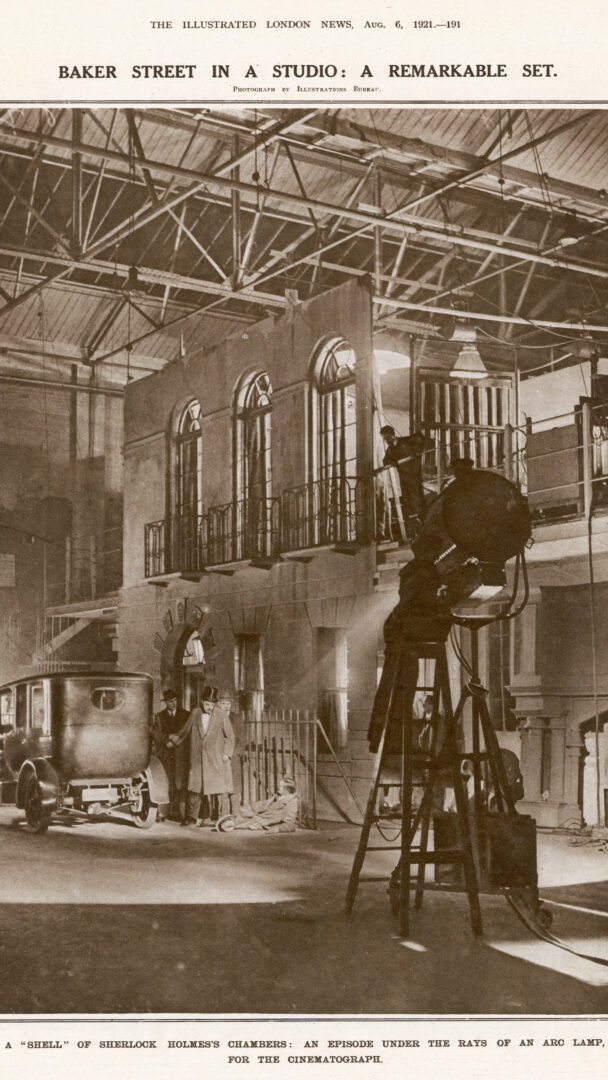
A full-size Baker Street facade was constructed at Stoll Studios. Photo: Alamy.
 (Brent Cross Town)
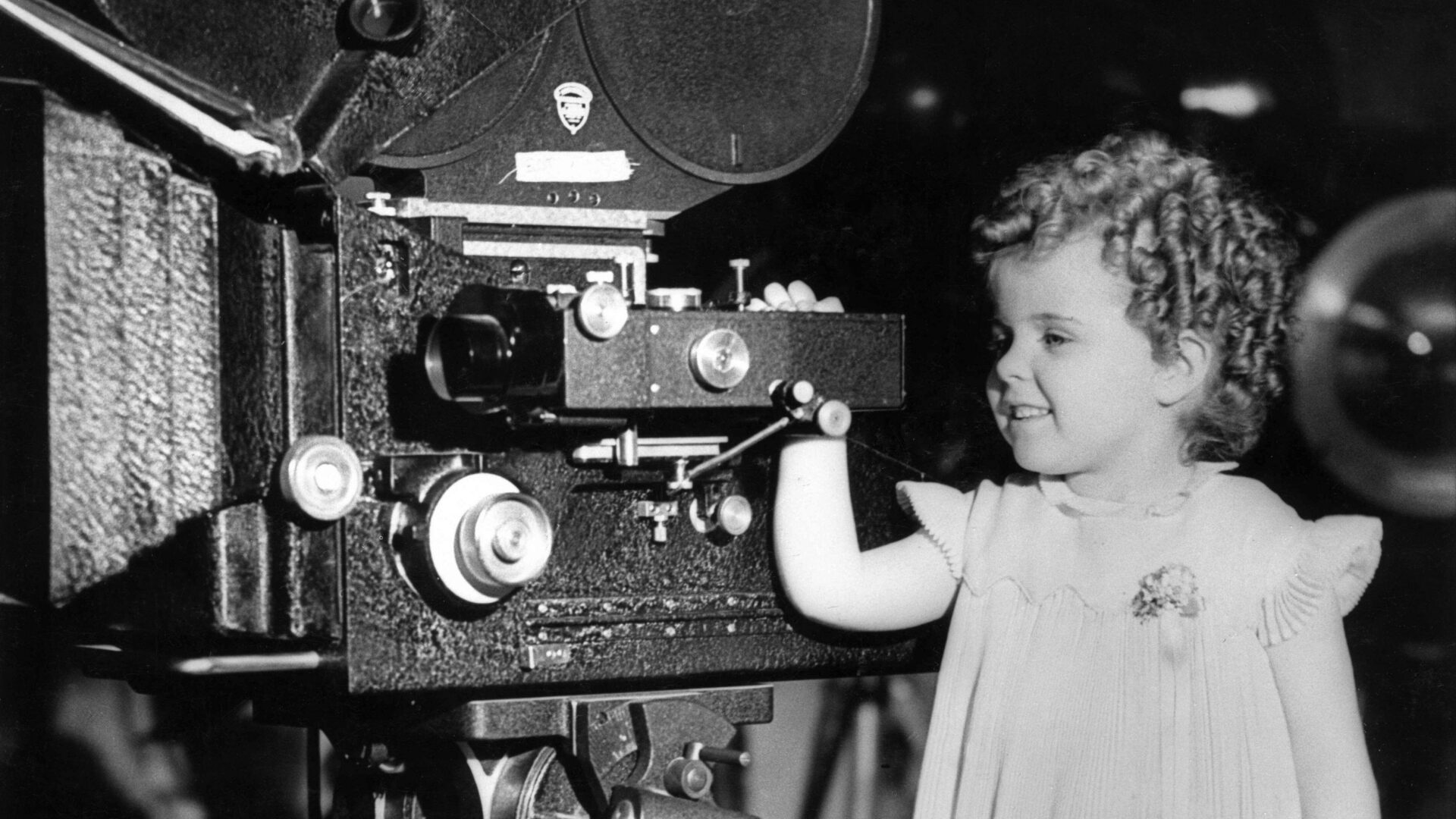
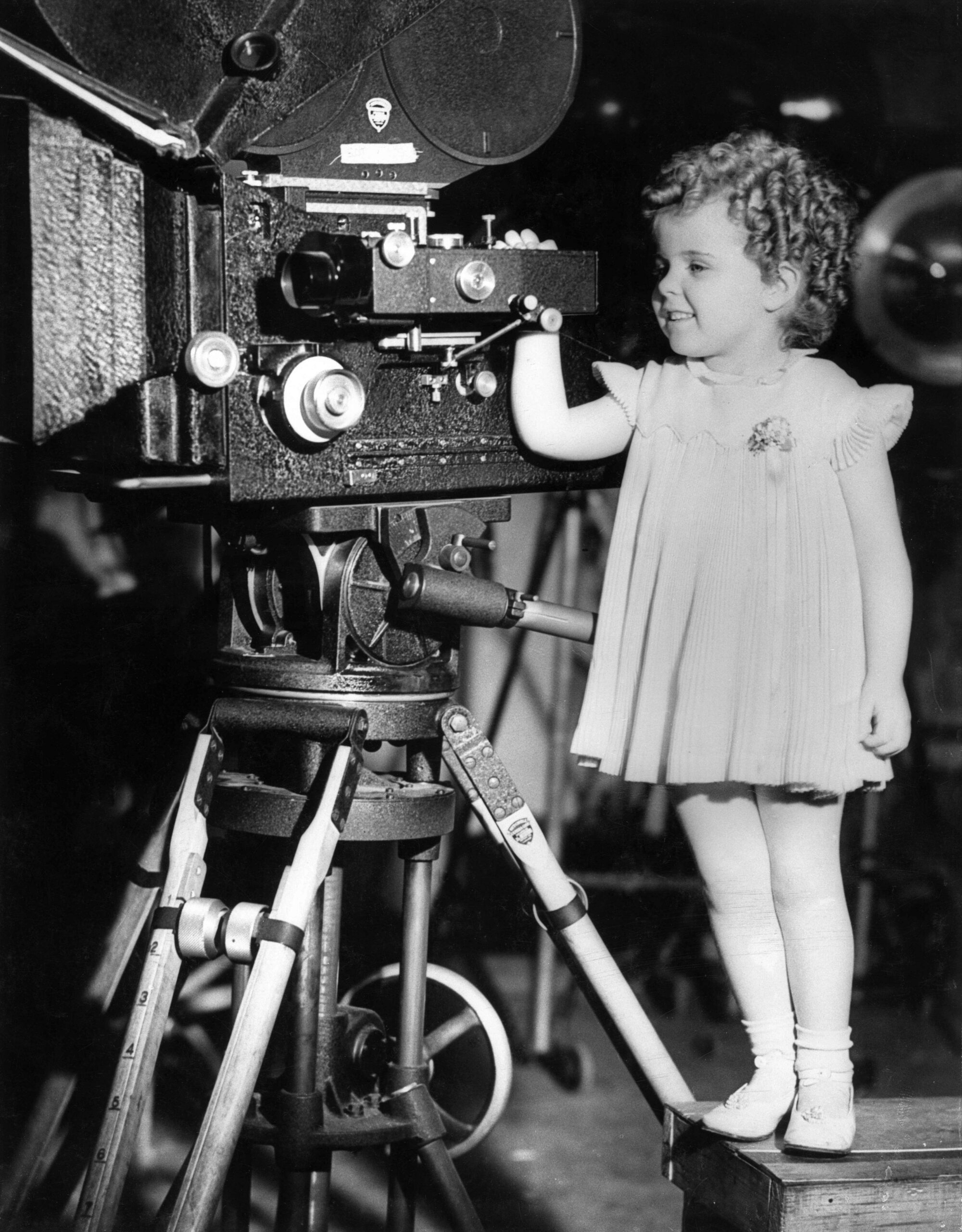
An on-set candid of child actress Binkie Stuart, Britain's answer to Shirley Temple, at Stoll Studios. Photo: Alamy.

One of the new studio’s first productions was Stoll’s first full-length Sherlock Holmes picture, The Hound of the Baskervilles, a silent film starring Eille Norwood as the great detective. Sir Arthur Conan Doyle approved the films, describing Norwood as having “that rare quality which can only be described as glamour, which compels you to watch an actor eagerly when he is doing nothing. He has a brooding eye which excites expectation and he has a quite unrivaled power of disguise.” A full-size Baker Street facade was constructed at Stoll Studios and remained there for three years while 45 short and two feature-length Holmes films were made, an expensive extravagance only made possible by the studio’s success.

British filmmaking was booming. The Stoll Film Company – in 1921 only two and a half years old itself – had established itself as the largest and most ambitious film production company in the country. The facilities at Cricklewood were, if you listened to Stoll himself, “without rival on this side of the Atlantic.”

It was rivalry with US company Goldwyn in particular that had galvanised Stoll into launching his own picture production company. Before 1919, he had primarily been an exhibitor of films, but a dispute over screening Goldwyn’s features spurred Stoll on into production. He already owned studios in Surbiton, south London, but it was Cricklewood which became the heart of his filmmaking throughout the 1920s and early 1930s.

 (Brent Cross Town)
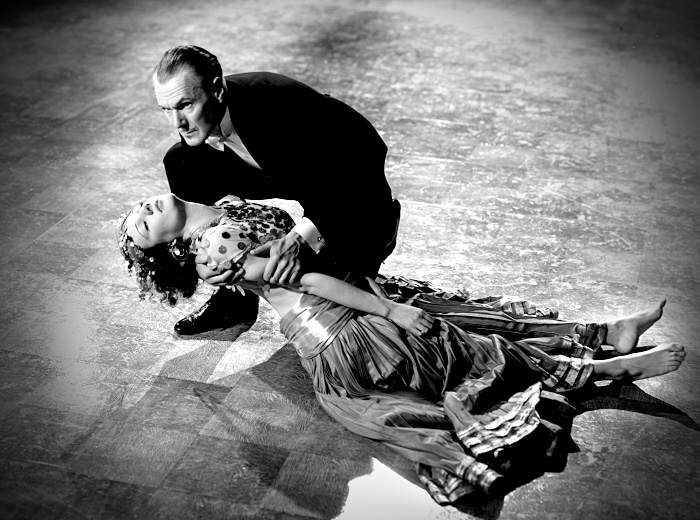
A scene from a Stoll Pictures Production. Photo courtesy of Jeremy Hoare.
 (Brent Cross Town)
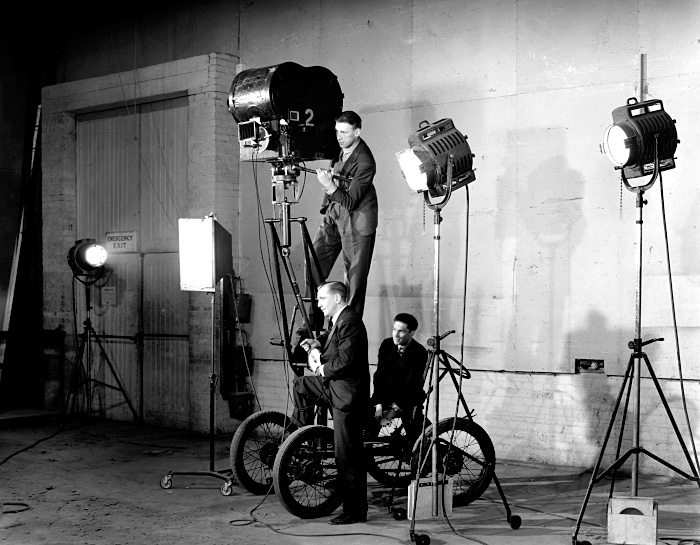
Stoll Pictures Productions camera crew. Photo courtesy of Jeremy Hoare.

The Sherlock Holmes films are perhaps the most famous to come from the studios and Eille Norwood holds the record for having appeared in more of them than any other actor. But their fame never spread to the US, again due in part to Stoll’s great enmity with Goldwyn. The Hound of the Baskervilles was released in direct competition with Goldwyn’s own Sherlock Holmes movie starring John Barrymore, and was a flop in the States. More legal wranglings followed over rights to the stories, and Stoll decided to cut his losses and concentrate on markets in Europe, Australia and Japan.

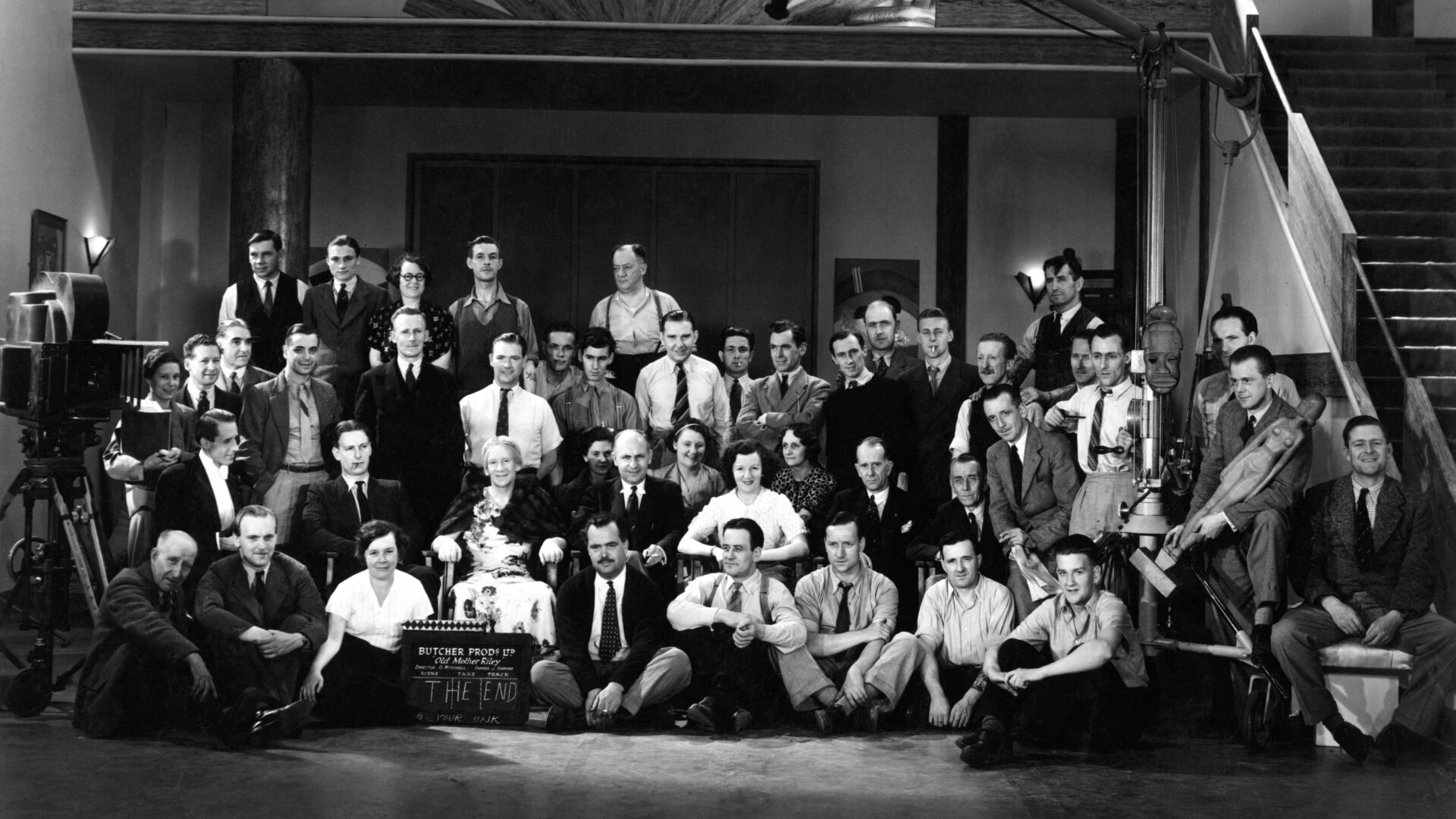
The studios at Cricklewood remained busy throughout the early twenties, but later in the decade Sir Oswald was slow to adopt the new ‘talkie’ technology. Towards the end of the 1920s and into the 1930s, he began to let studio production space to independent filmmakers as a way of shoring up funds. This paved the way for classic British comedies, like the Old Mother Riley films, which were first made at Cricklewood. For the final years of their life, the studios were transformed into engines of independent movie-making, before Stoll sold the space to an aviation company in 1938. 

Though Eille Norwood was the Benedict Cumberbatch of his day, he and Sir Oswald Stoll perhaps have been forgotten by all except the keenest film fans and cinema buffs, and the studios were demolished in the 1960s. Nevertheless, even if the Cricklewood studios do not, Stoll’s legacy still stands, a testament to what was once one of Europe’s cutting-edge film studios.

Photos from the collection belonging to author Jeremy Hoare were passed on by his father who was manager of the Stoll Theatre in Kingsway in the early 1950s. See more of Hoare’s photos here.

 (Brent Cross Town)
Cast and crew at the end of filming Old Mother Riley in 1937. Photo: Alamy.

Sign up for the latest news, stories, events and progress at Brent Cross Town.

Be the first to know

Subscribe now to be the first to get the latest news, events and happenings at Brent Cross Town sent direct to your inbox.