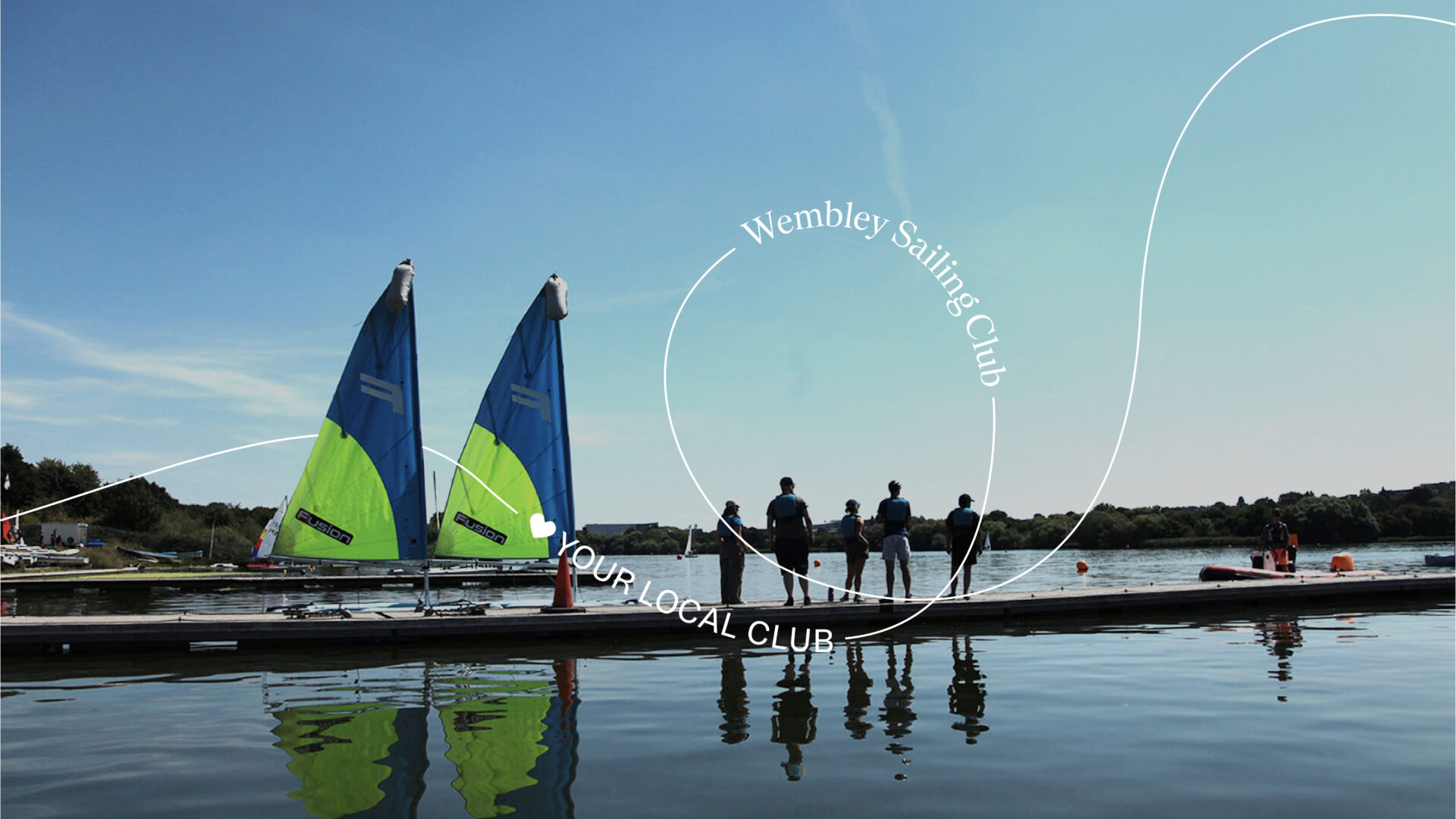
Wembley Sailing Club is a tale of two halves: a vibrant training centre which equips new starters – kids and adults alike – with all the skills needed to be confident out on the water, and a members club for those who are ready to set sail and get involved in racing. Whichever camp you find yourself in, the resounding feedback is that while having to step a little out of your comfort zone you’ll become a problem solving pro and make firm friends while doing so. That is according to Rear Commodore Colin Brockbank and Training Centre Principal, Tom Dalrymple. Here’s what they told us about their club, based on the Welsh Harp in Kingsbury Green.
Your Local Club: Wembley Sailing Club
Tell us about your club
Colin: Wembley Sailing Club was originally set up during the 1950s by a group of amateurs very keen on sailing. At that time and throughout the 60s, sailing and water sports, in general, were having a real moment so a lot of clubs were inaugurated at that time.
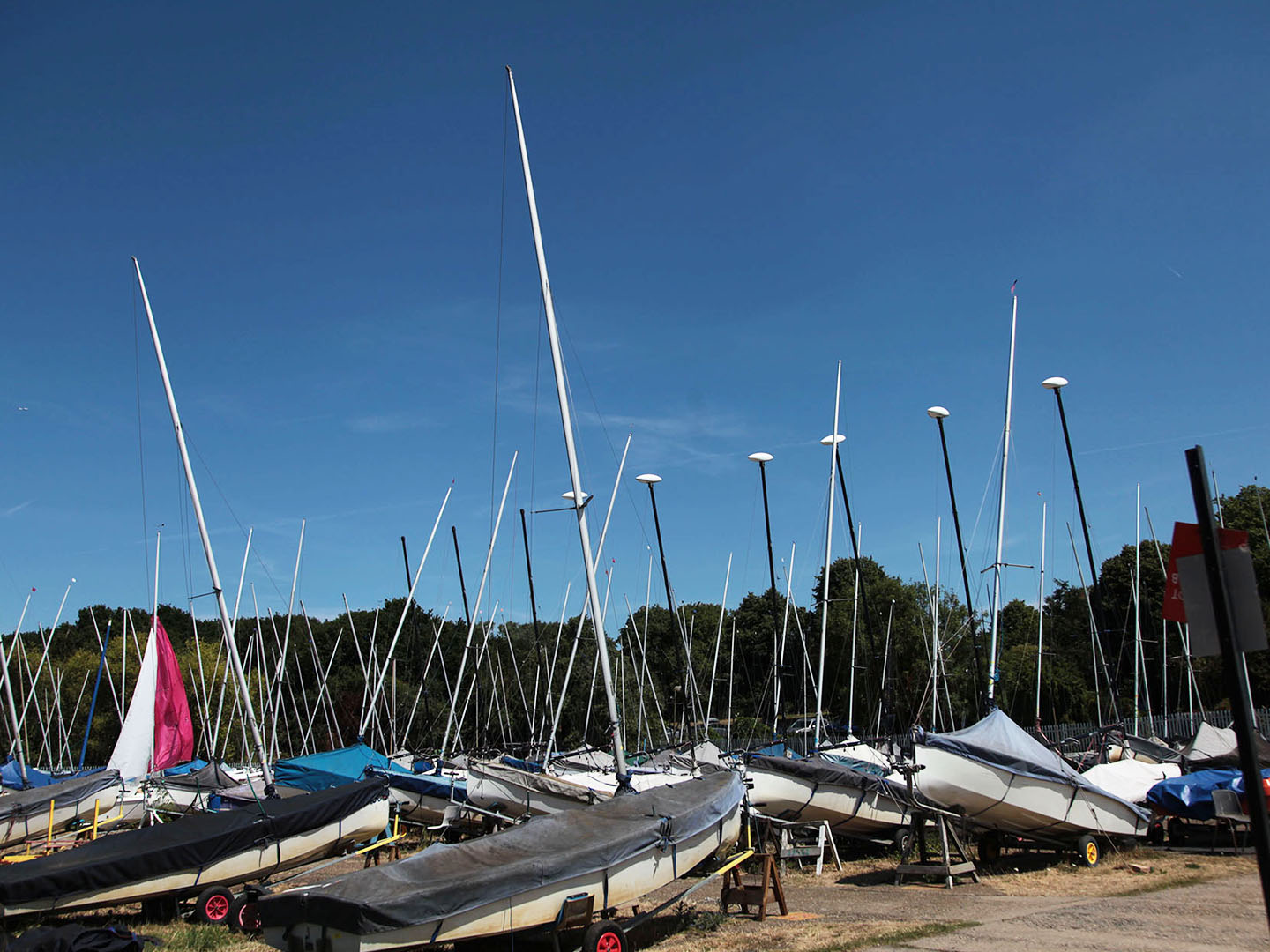
The club has changed a lot over time. I’ve been with the club since 1995, when I first joined it was very much a competitive racing club. Over the last ten years though that has changed and we’ve become much more training-orientated, focused on teaching the skills needed and making sailing a fun option whatever your skill level. However, if you want to race that option is there too; we have around 200 members, many of whom – myself included – love to race so you won’t be short of competitors!
Tom: As Colin said, the training side of the club is a fairly new addition to Wembley sailing.
Myself and the training team are focused on encouraging young people and adults from the local area into sailing.
Sailing has a history of seeming exclusive for the limited few, so for us we want to get as many people as we can out on the water learning to sail. It’s a very valuable skill, not just in terms of learning a sport and getting exercise, there’s also a lot of problem-solving involved which helps develop skills for the everyday world as well.
What do people love about sailing?
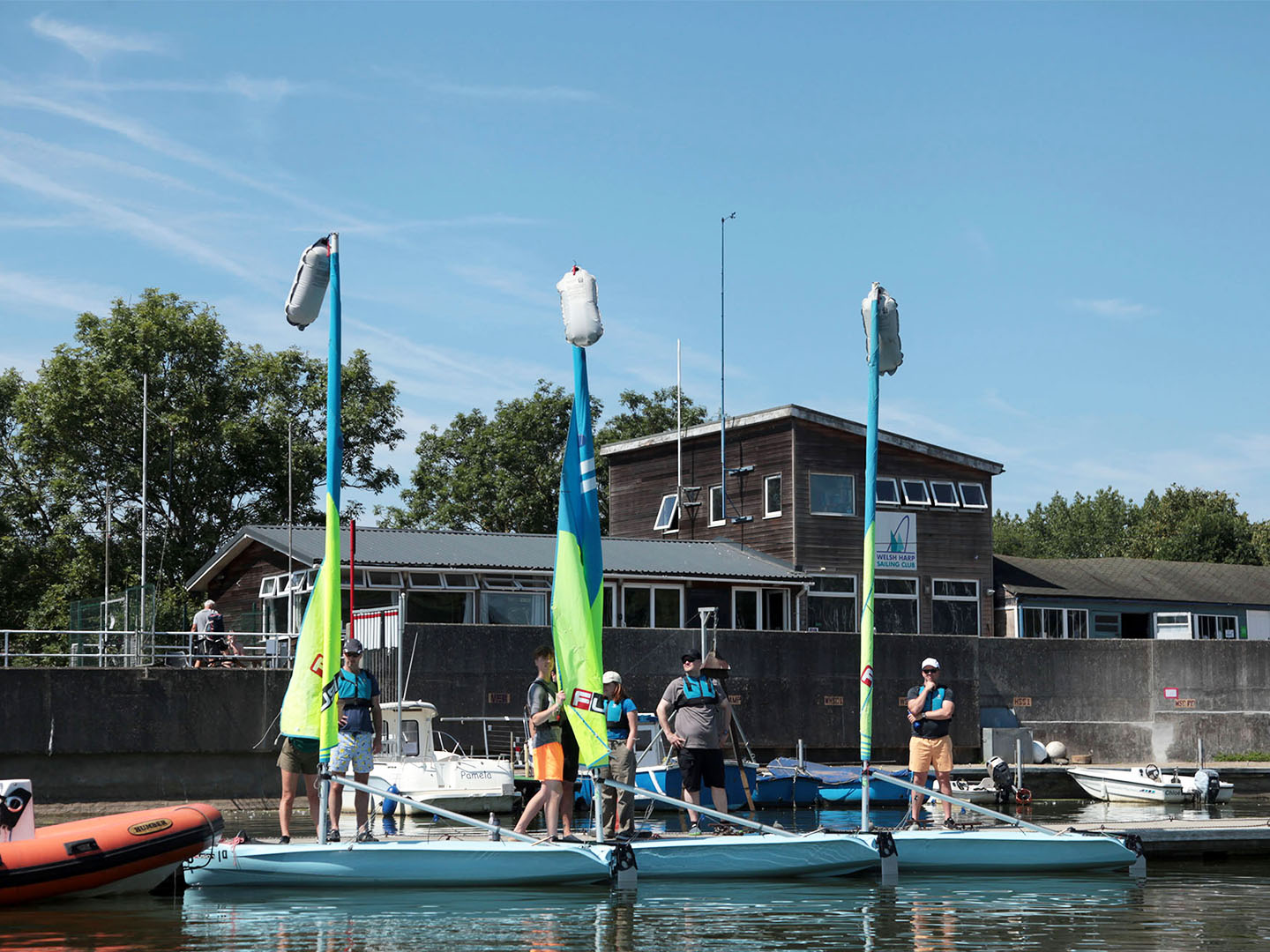
Colin: People enjoy being part of a close knit group. When you’re out on the water you really have to support one another and work together. To be compatible in a boat with somebody else is quite a tricky thing. You have to be socially compatible but at the same time there’s a lot of things that come together to make it work: non-verbal communication and being able to listen for instance.
While we’re often talking about different aspects of sailing, it’s more than that, it’s community and friendship too.
I retired some time ago and the club is really the place where I make most of my friends.
Tom: For me personally, I love the sport, but it also gave me a career path. The RYA (Royal Yachting Association), which is our governing body, wants to make it possible for anyone coming into a club, especially younger people, to see that there is a clear line straight up to racing, instructing, or whichever direction they want to go in. You’ll find that many of us teaching at Wembley Sailing Club have also been taught here so it goes round in a big circle in that way.
Also, there is the fact that when you’re sailing there is that sense of being out on the water, part of nature, and being much closer to the elements. And I think that connection can really have a strong effect on people.
If someone wants to get a flavour of your club, how can they do that?
Tom: If you’re unsure or haven’t tried sailing before then you can come along to a taster session which gives an introduction to what a course in sailing might be like. We realise it’s a big commitment as courses take place over a weekend for adults or five days for juniors. We run the youth courses during school holidays and the completion of that leads to a Stage Two qualification. While a Saturday and Sunday course for adults gives them an RYA Stage One certificate. Both are recognised worldwide.
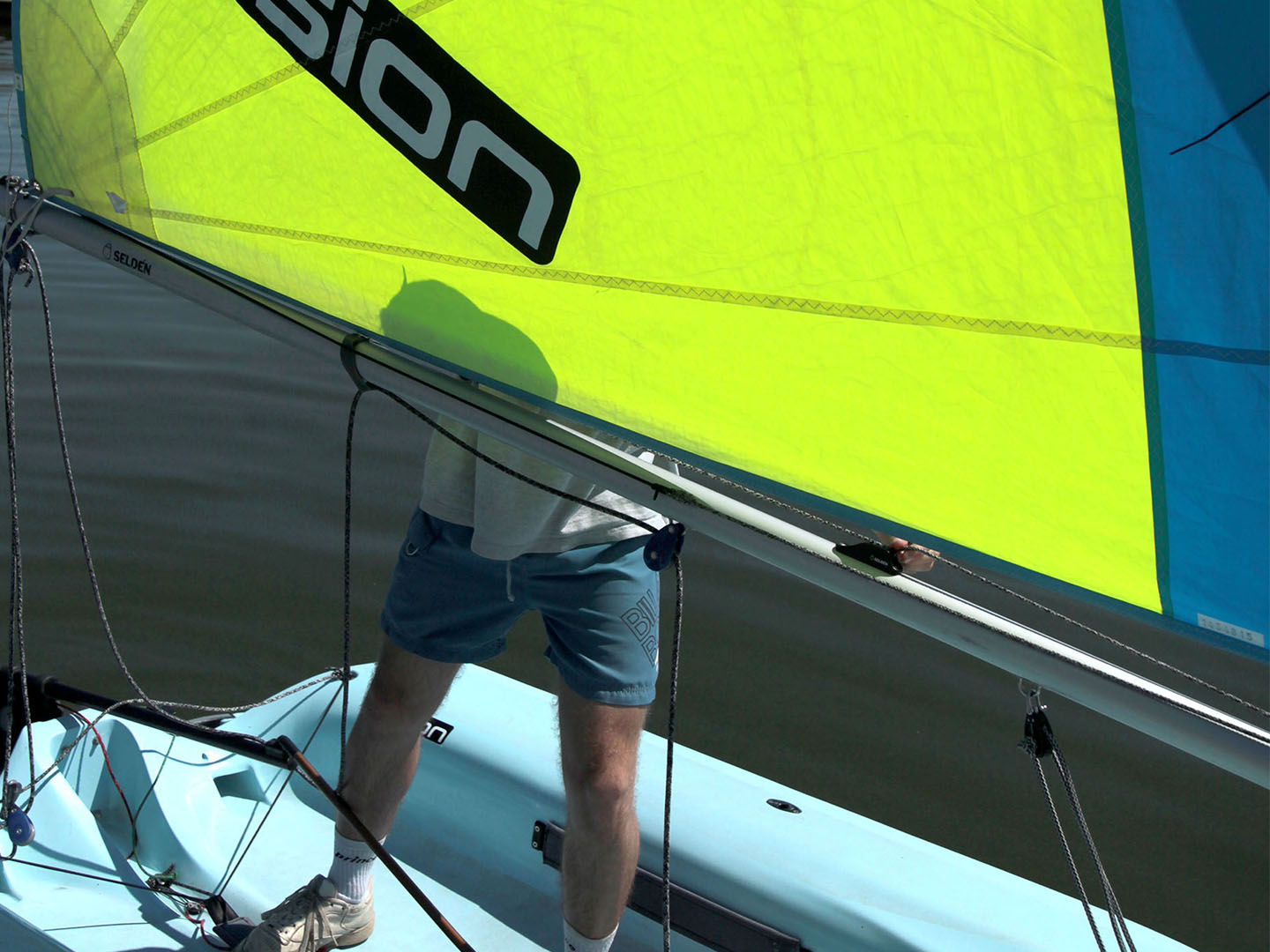
During the courses, they’ll learn all the key skills required to get afloat, how to sail in all directions, how to launch and recover a boat, and how to recover from capsizing. While short theory sessions on the land teach about the basic equipment needed, tides, and weather.
The taster session is £60 for one person or £100 for two. Then the Adult Level One course is £250 and the five-day youth course is £325.
Colin: If there is someone qualified who wants to come and sail but isn’t a member of the club, we just ask them to email or call beforehand so we can let them know the best days to come and when they’ll have some company out on the water. All the information you need can be found on our website, plus we’re contactable through our Facebook and Instagram.
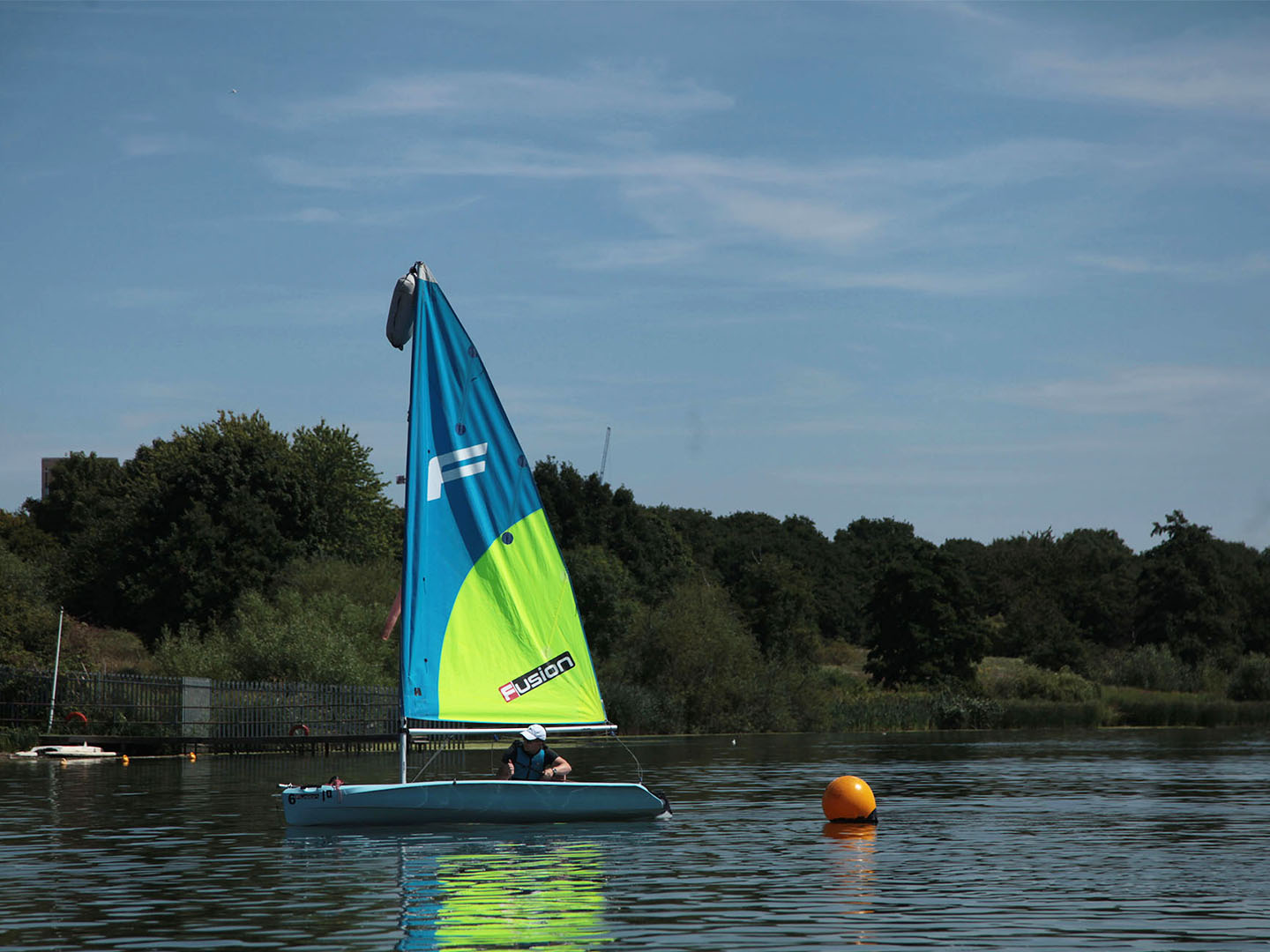
If someone is feeling intimidated about joining up, what would you suggest?
Tom: If you spend some time out on a boat in the middle of the water, most people will find themselves completely out of their comfort zone. But that’s not necessarily a bad thing, you tend to learn and grow in those situations.
It’s also important to feel reassured that our instructors never make anyone do anything that they feel uncomfortable doing. You will be wearing a buoyancy aid vest but we do ask that people feel content in the water in the chance that they do end up in it.
How important is it to get people of all ages, from the very young to the more mature, involved?
Tom: It’s really important to us that everyone feels welcome and is able to make suggestions about how the club is run. We have a large, well-established adult contingent so we’re introducing a youth committee, which is going to be a small group of young people who will design and put on events and races solely for their own age groups. That committee is just beginning to come together so we’re really looking forward to seeing what they come up with.
For children, particularly those growing up in London with less access to the water or countryside, it’s really important that they have that chance to give something new a go.
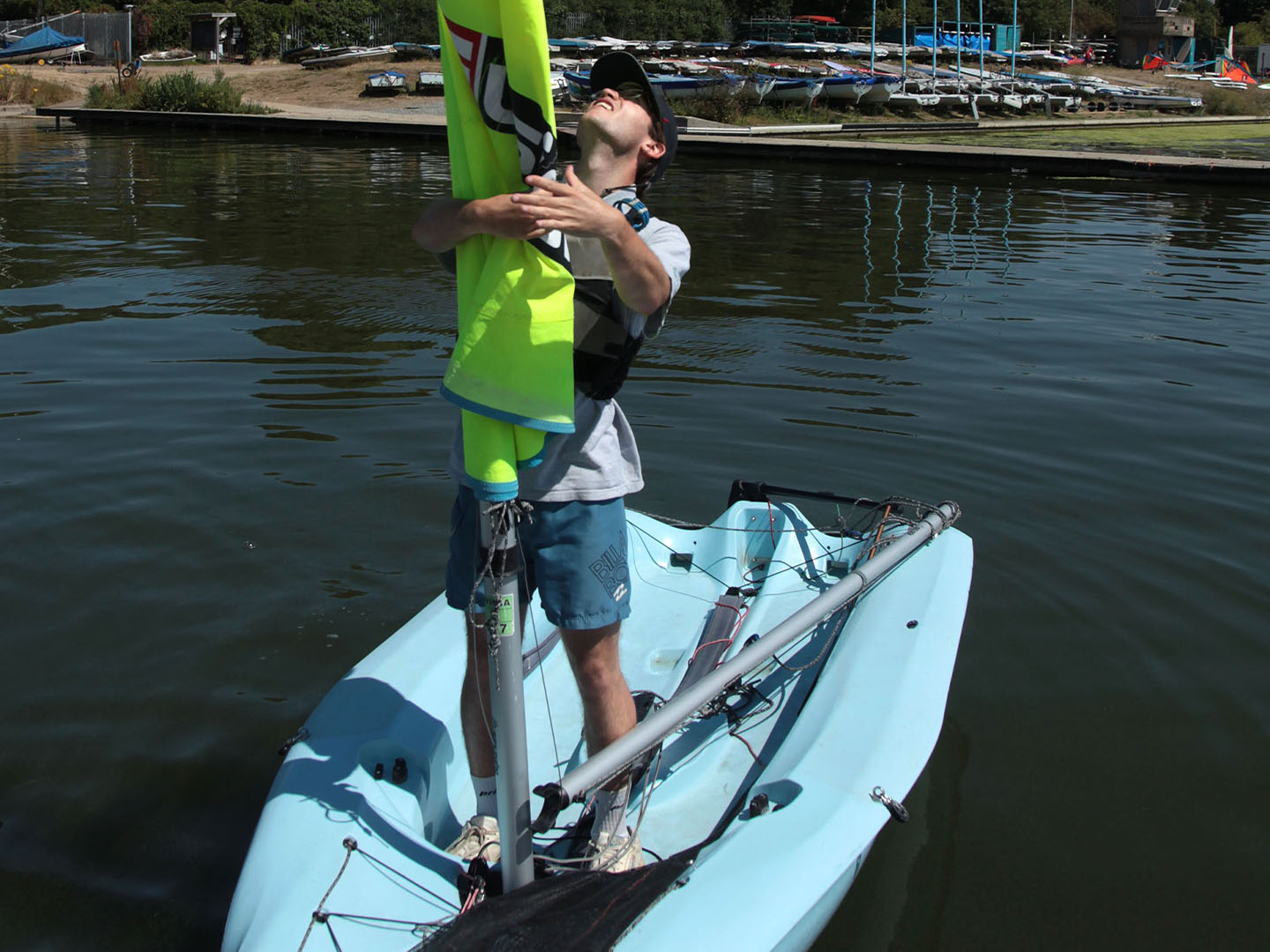
How do kids in particular react to being out on the water?
Colin: What they learn in the way of skills and technique they equal in terms of fun. When I look at Tom’s week-long training sessions they’re all smiling and having a good laugh. It’s hard to compete with all the distractions kids have today, like the internet, but once they’re out there on the water, equipped with the skills and knowledge to sail, you can see they get a buzz from the free rein of it.
Tom: It’s just as Colin says, obviously there is control and safety awareness coming from the training team but there is also a lot of freedom and in that space the kids tend to make a lot of connections and friendships.
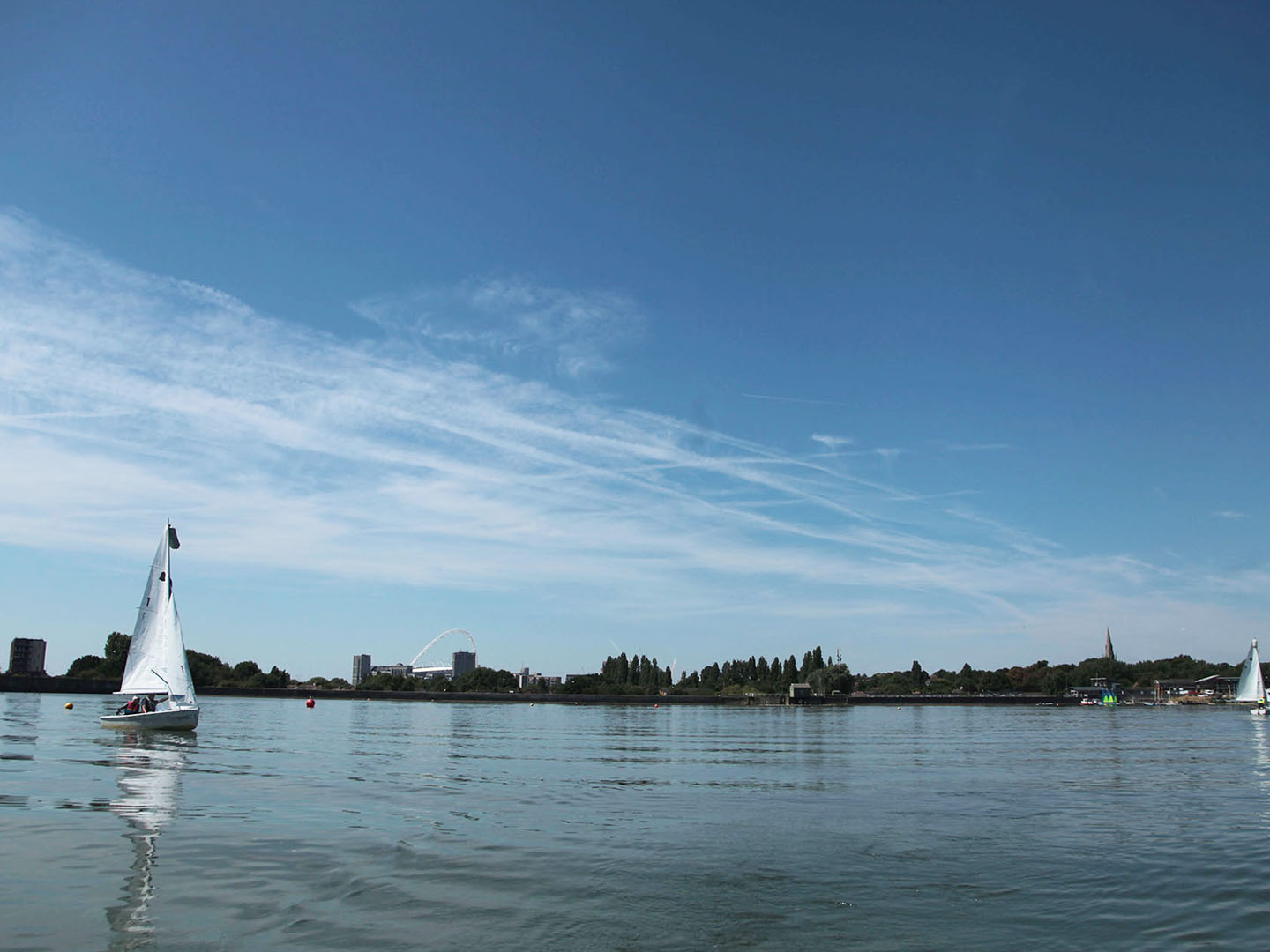
Do you find that women and girls are just as excited to get involved as their male counterparts?
Tom: Sailing has had a history of being quite male-dominated which we are very aware of, as is the RYA who set up an initiative called Women on the Water. We have adopted this and each month we have a coach come in to train female sailors and give individual tuition to small groups which creates a supportive environment and close-knit group among the female membership. That supportive environment also helps new women sailors, who perhaps feel isolated in a male-dominated sport, to progress quickly to a competitive level and find other female sailors like them.
Colin: Women are well represented within the membership and I’d say the boats I sail mostly have female crews; the women are nimble and strong and they bring a great dynamic to the crew.
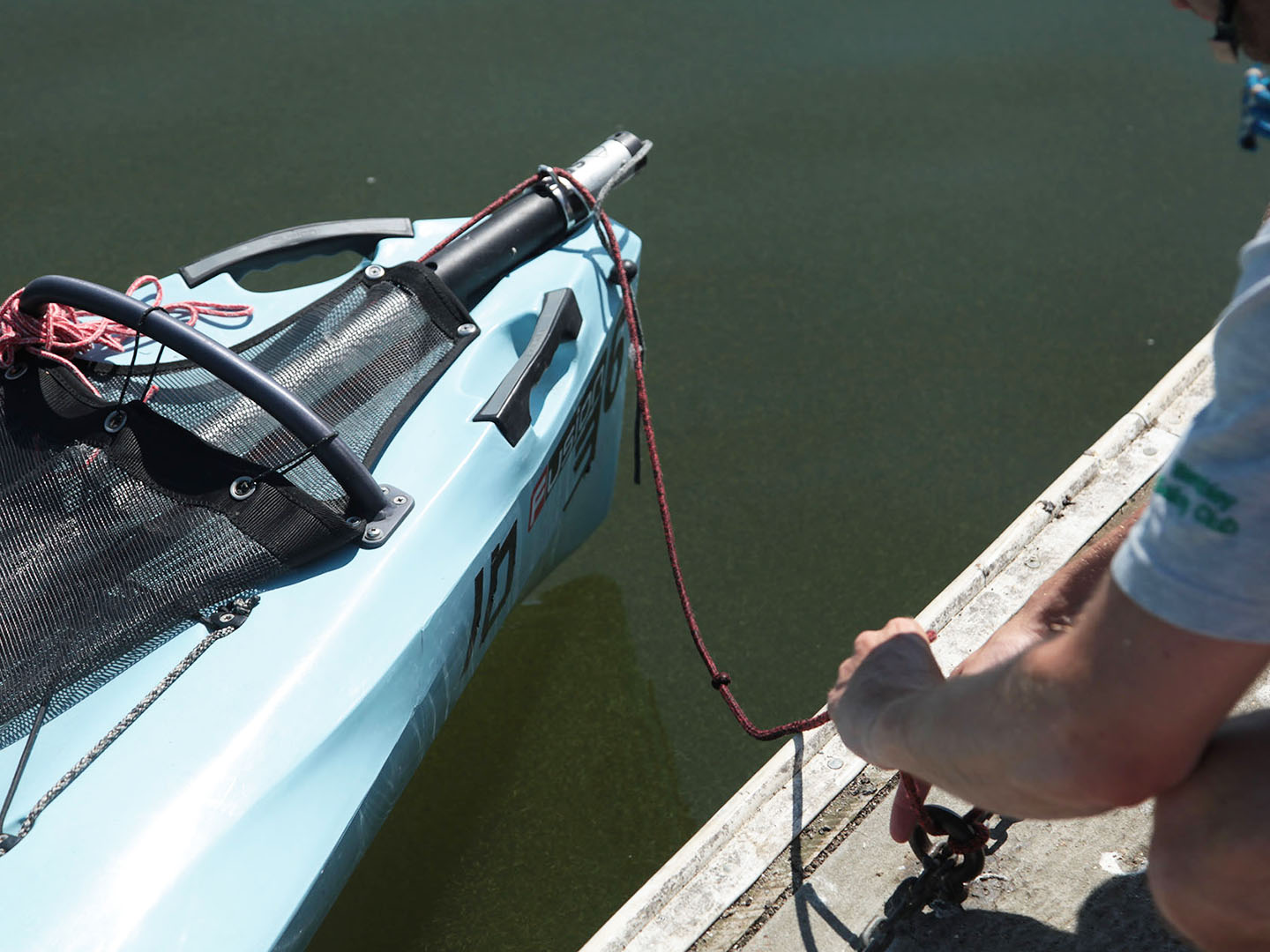
What equipment does someone need to get involved?
Tom: Clothes and shoes that you’re happy to get wet in. There is sailing gear which you can buy the more serious you become but to start off with some old trainers and weather-friendly clothing is all you need.
For you, both personally what is the best thing about your club?
Tom: I have the pleasure of seeing hundreds of students come and try out sailing and then leave with smiling faces. So the best thing for me is knowing we are developing these kids and those friendships while they’re here. I describe sailing to them as a 50/50 sport: 50% technique and 50% knowledge set. It’s not just about raw talent like so many sports are. It is about knowing things – how to set your sails in a certain position, how to rig your boat in a certain way depending on the direction you’re sailing – which is empowering. There is a real sense that you’re always learning.
Colin: Definitely, I’m still learning all the time. I’ve sailed for about a million years and there’s always something new that happens. It has also given me a chance to travel and as I mentioned, make lifelong friendships. Having a drink in the bar after and chatting about the race is all part of the very important social side.
For more information visit www.wembleysailingclub.co.uk
Be the first to know
Subscribe now to be the first to get the latest news, events and happenings at Brent Cross Town sent direct to your inbox.
