Your Local Club: Pedal Power

Pedal Power cycling club (Brent Cross Town)

It’s 2004 and your daughter who is very good at cycling cannot find a club to join in north London which offers a safe, off-road space for her and her friends with learning disabilities to do what they love most. What do you do?

Well, if you’re Jo Roach, you create Pedal Power, a cycling club dedicated to people like your daughter. Almost 20 years later the club has three locations around north London, over 100 adapted bikes that can cater for the most profound and complex needs, and Jo is still at the helm.

We spoke to founder Jo about how people can join the club and the three ‘F’s’ they’ll get in abundance when they do ‘fun, fitness, and friendship’.
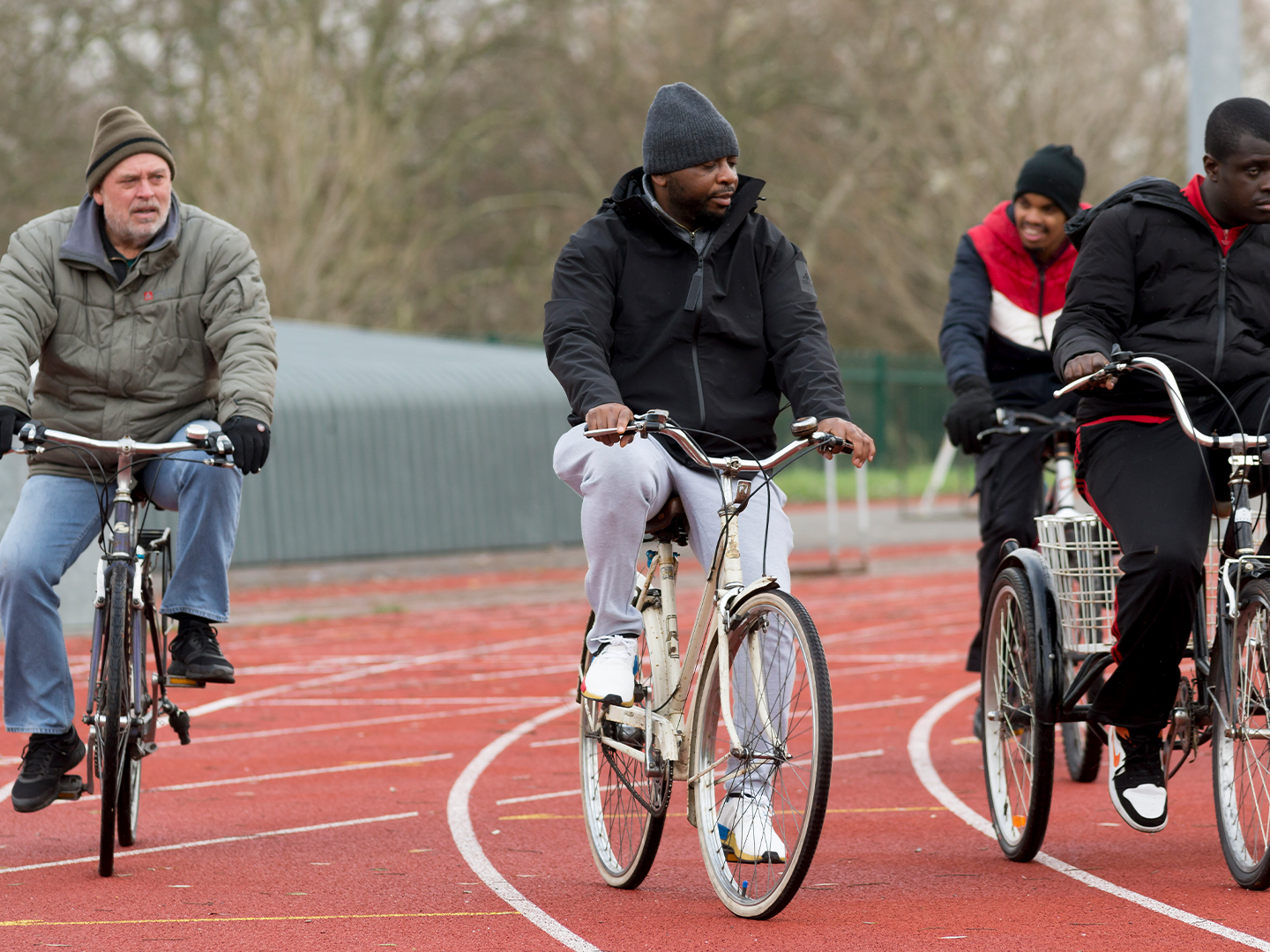
 (Brent Cross Town)

Tell us about your club
Pedal Power is a cycling club for people with learning disabilities. Both children and adults can come along but the majority of the people who come to us are adults.

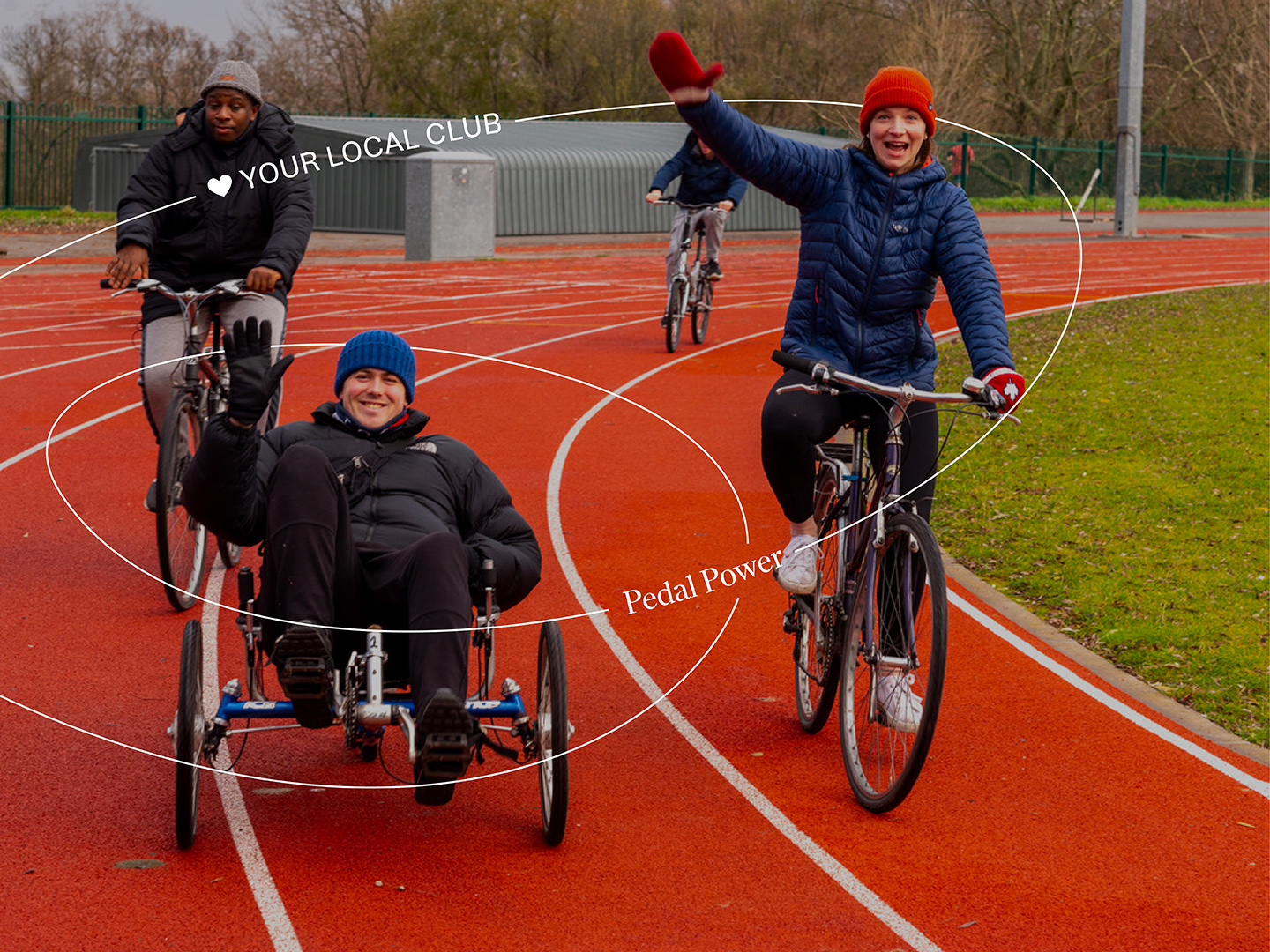
Generally, we attract members who have more profound needs as they need safe, off-road space to cycle. We run our sessions from three off-road locations: Finsbury Park athletics track, Emirates where we use the public podium that runs around the stadium and New River Stadium, White Hart Lane.

You’ll find us in these spaces, whatever the weather, from February to November on Tuesdays, Thursdays, Fridays and Saturdays. Booking via our website is essential.

We had just two members to begin with, my daughter and her friend, but we’ve been going ever since
 (Brent Cross Town)

How did Pedal Power start?
I started the club in 2004 because my daughter is a good cyclist but has a learning disability. There wasn’t a suitable club out there for her; everything was lycra and speed. I was working in schools as a qualified cycle trainer so I started to talk to people about the possibility of a club specifically for people with learning disabilities and, with a great deal of help and support, I started Pedal Power.

Who is the club for?
To-date around 2,000 people of all ages with learning disabilities have come through our club. Each of them comes with someone, either a family member or a support worker, who cycles along with them.

We teach our members to cycle if they have not cycled before or we encourage them to take up cycling again.

You never forget how to cycle so if you did it as a child, you will remember even when you're an adult.
 (Brent Cross Town)

What types of bikes do you have?
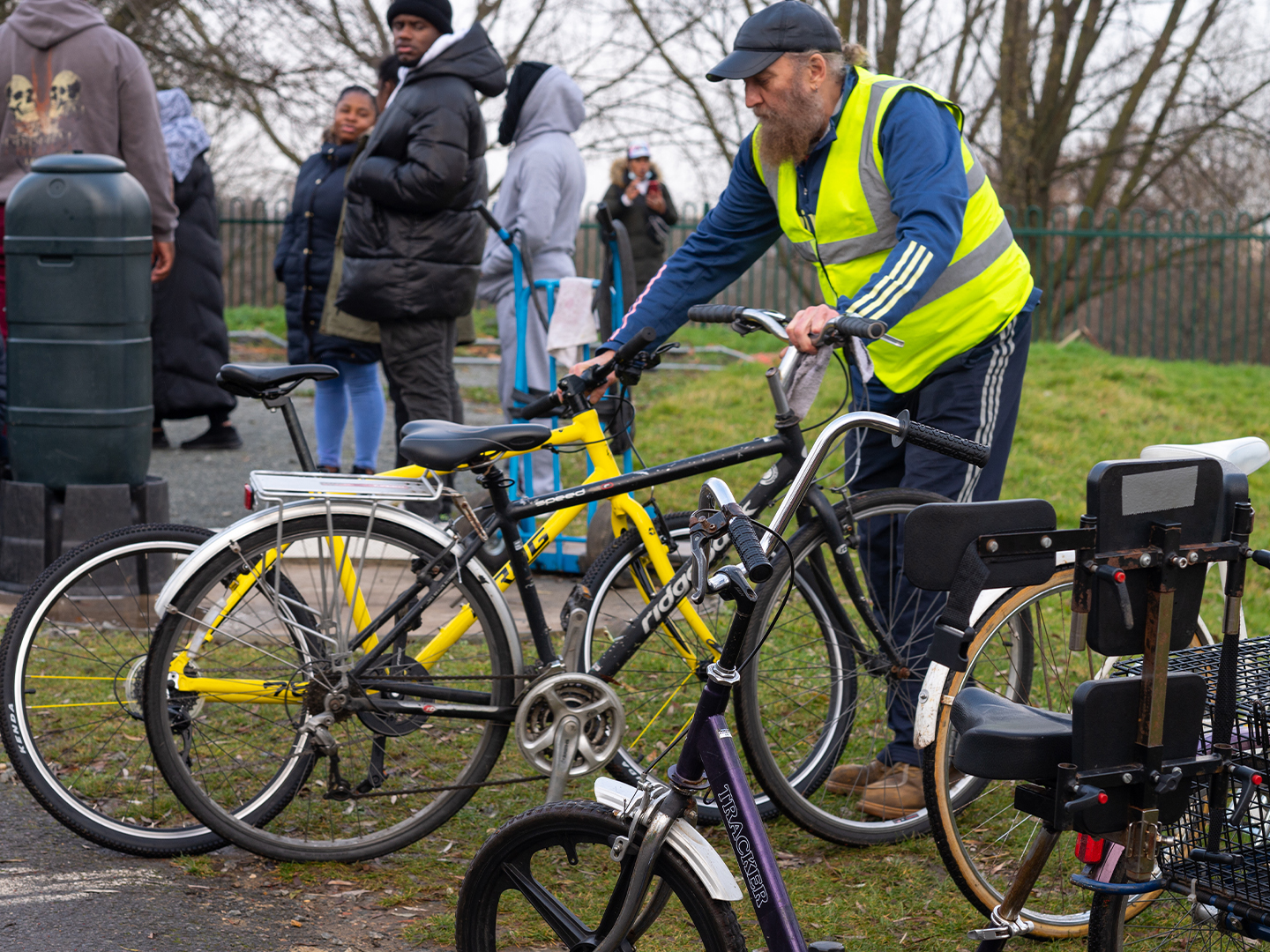
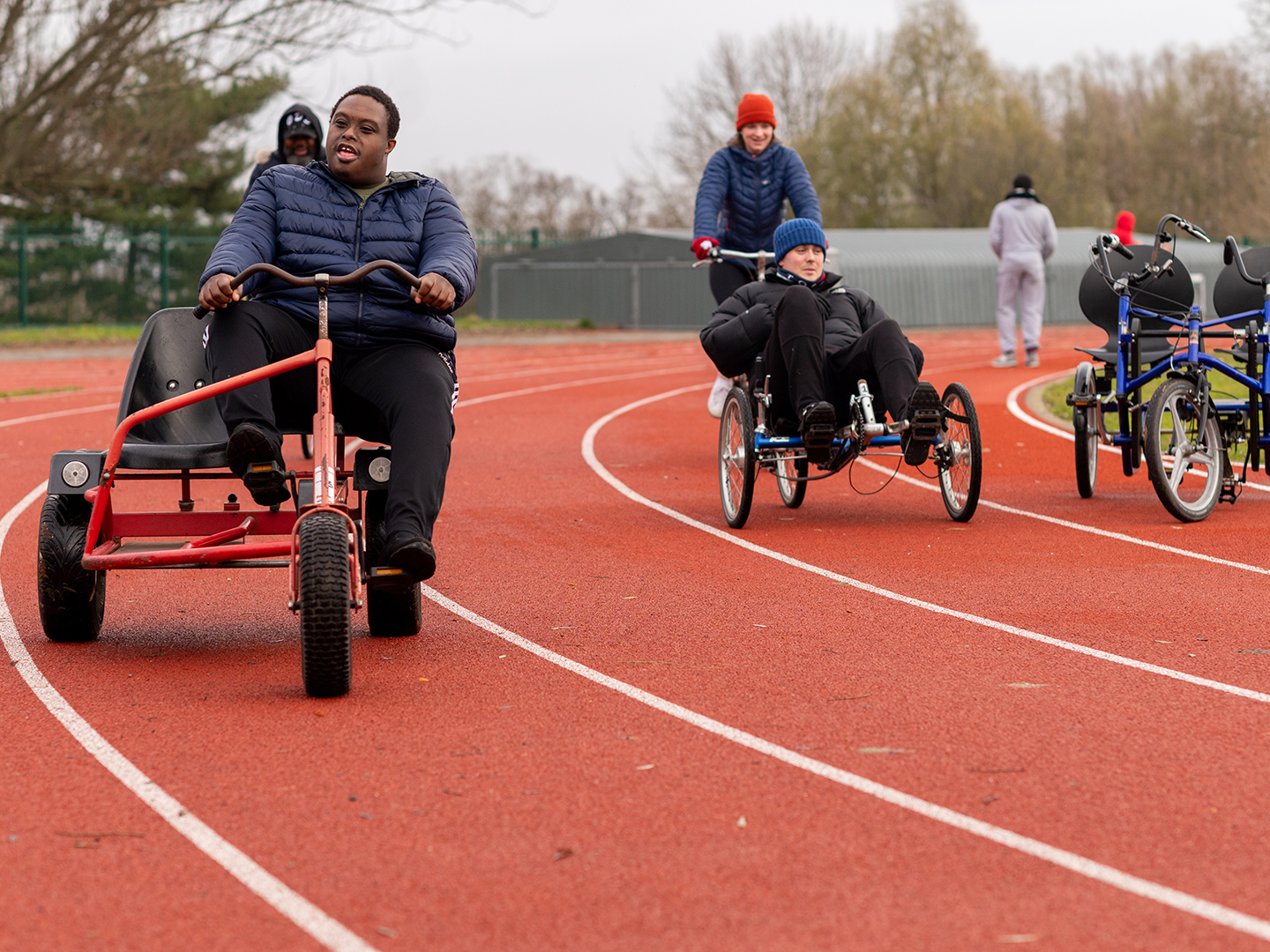
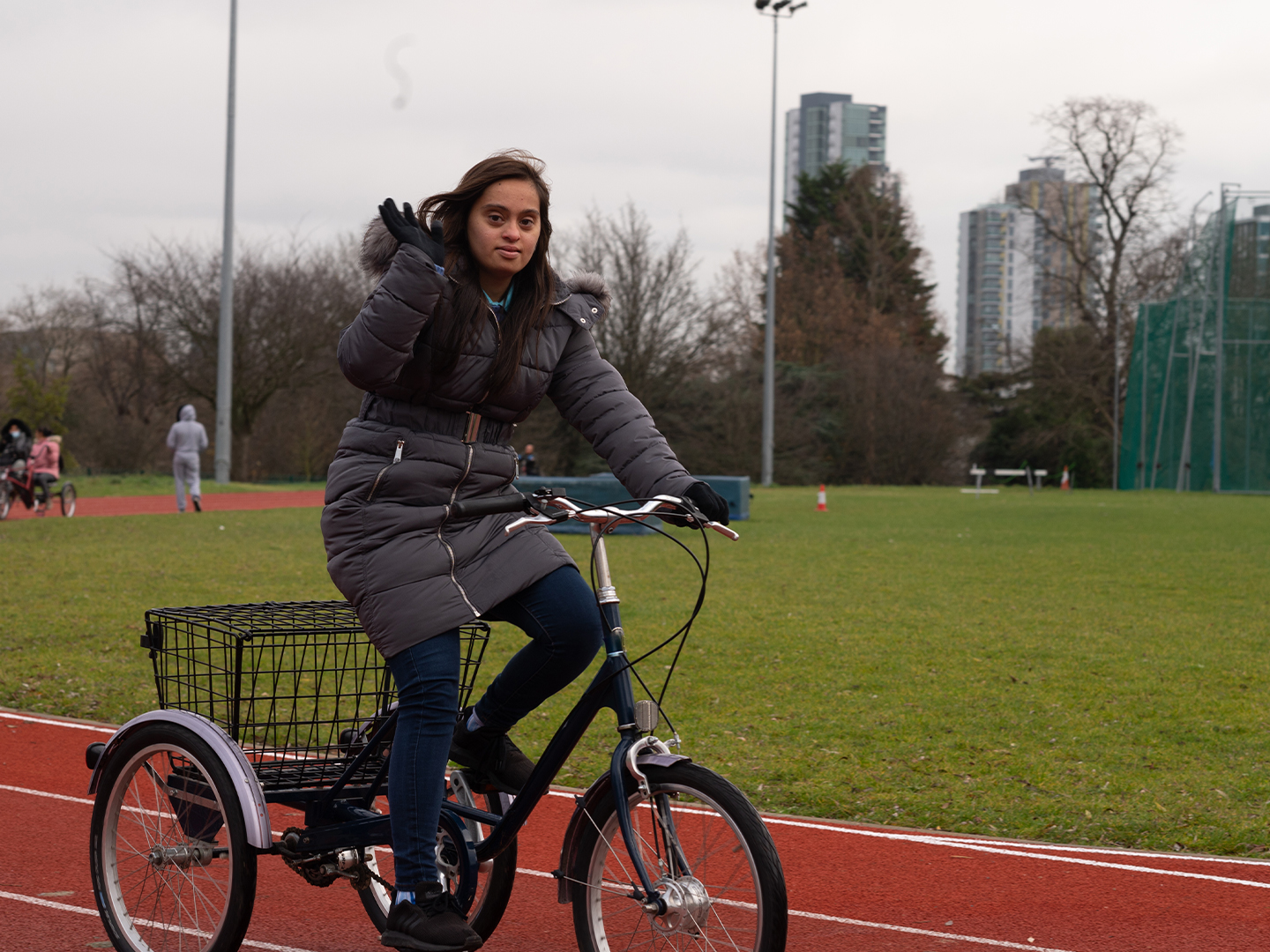
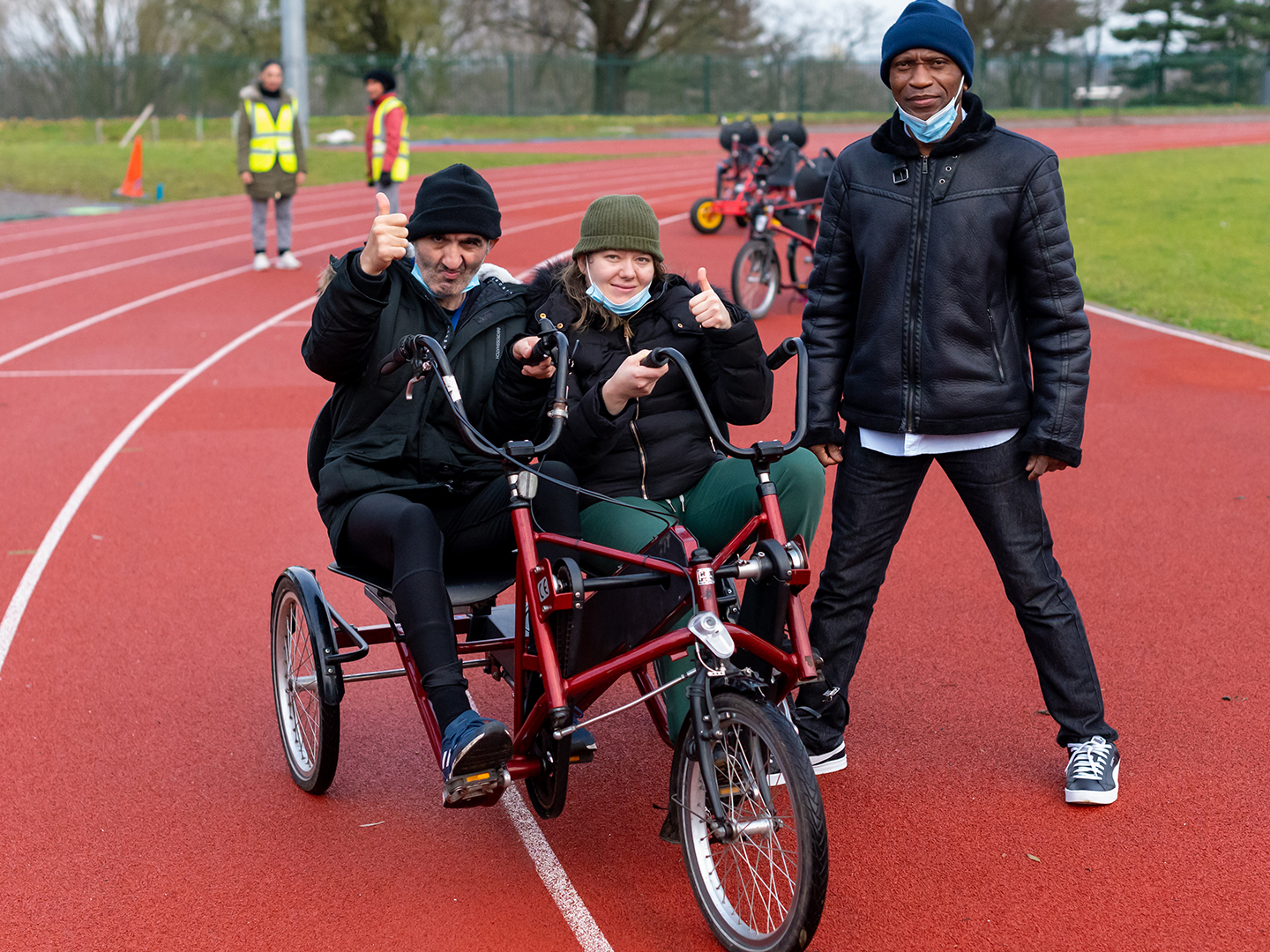
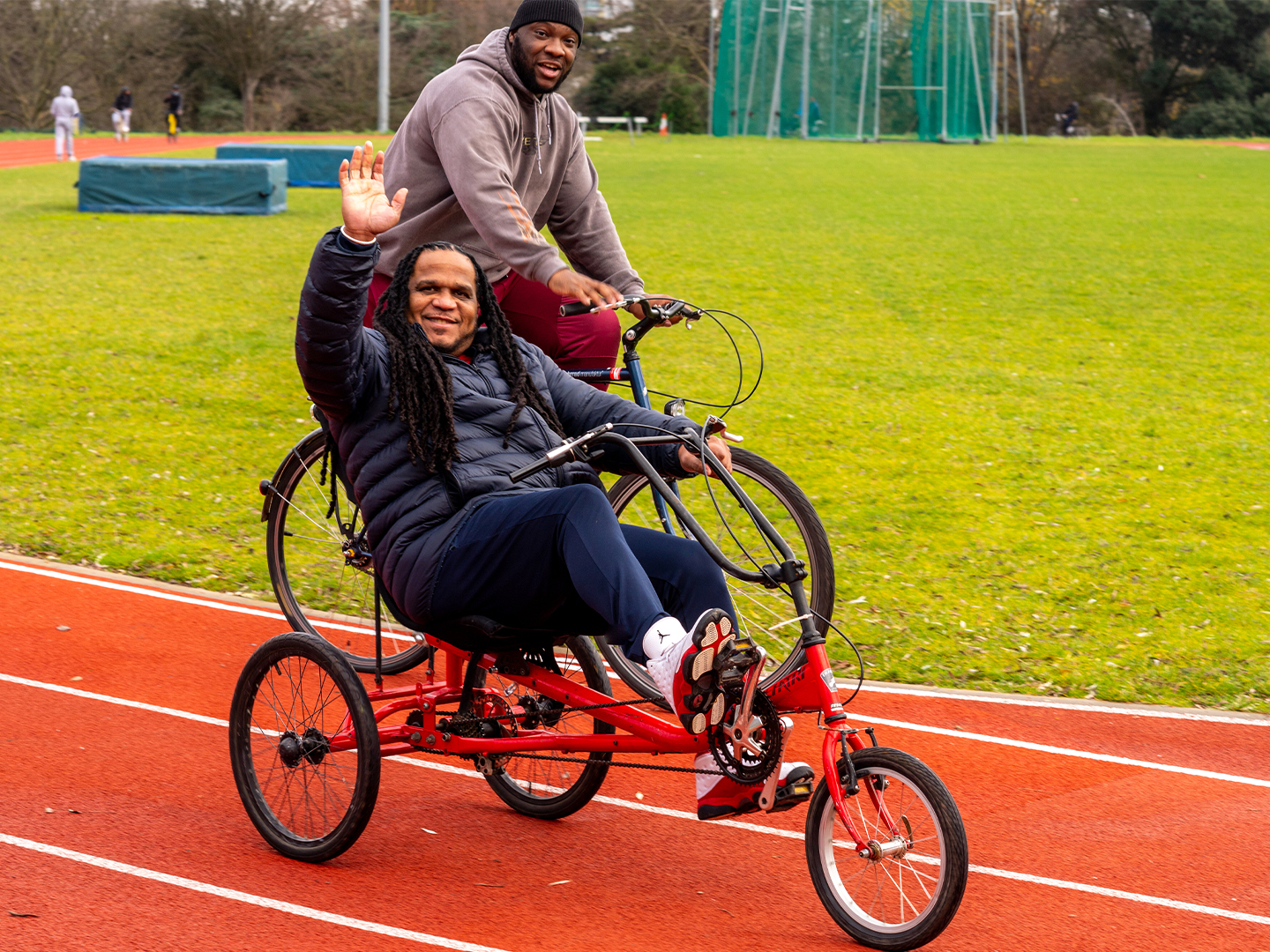
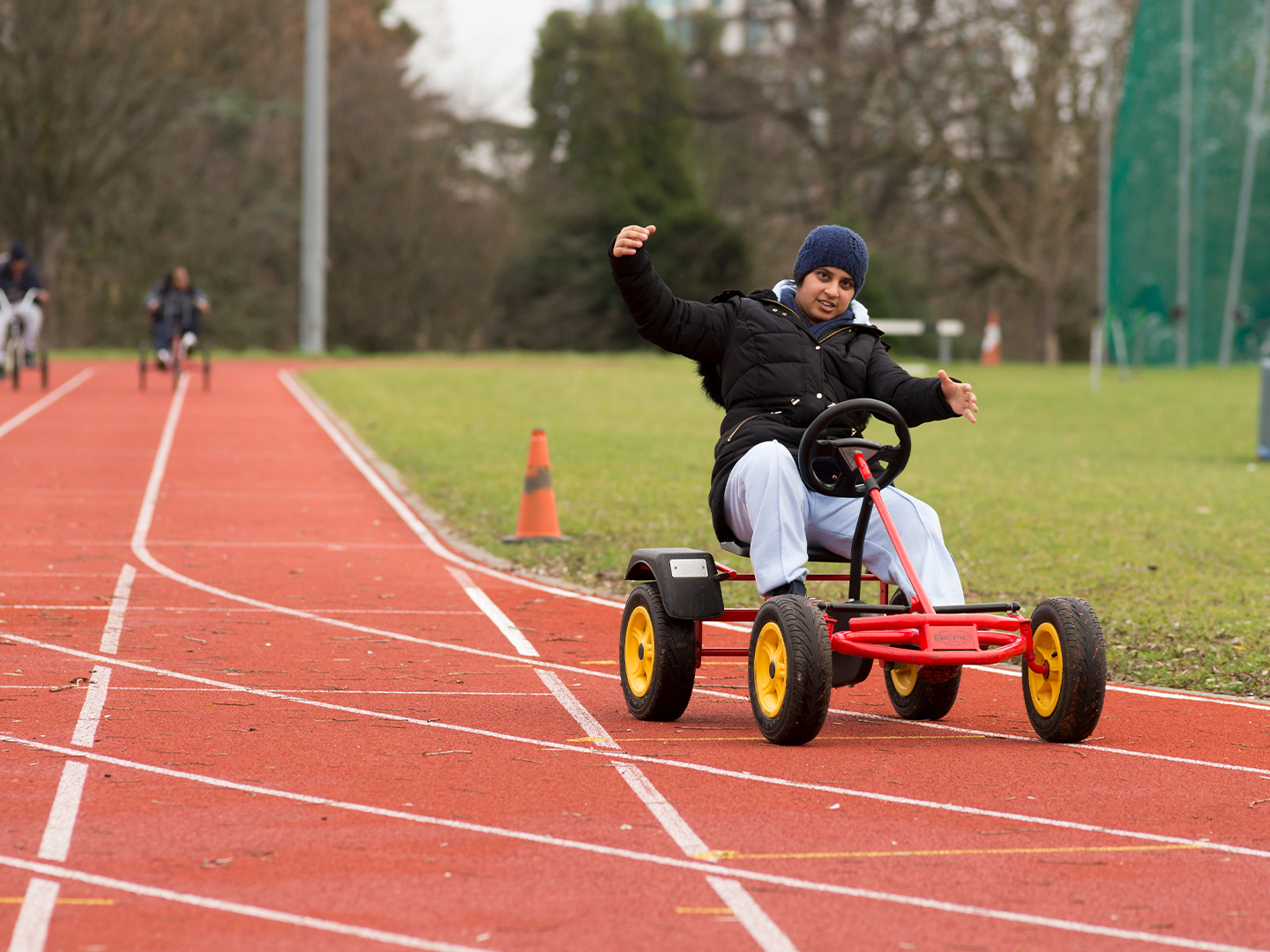
We have a range of cycles that can cater for the most profound and complex needs.  On our website, you’ll see all the different cycles we have. In total, we have around 100 adapted cycles to ensure that everyone, regardless of age or disability, can experience the joy of cycling.

We have a bike called a Velo which allows us to be truly inclusive – it’s a tricycle with a platform on the front. It’s mechanical, allowing us to drop the platform down, and if a person can’t transfer from their wheelchair we put the person in their wheelchair onto the cycle and then someone cycles them around. For some people, it will be the first time they’ve ever done anything like this.

 (Brent Cross Town)

What do you think it is about cycling that people with learning difficulties particularly enjoy?
Freedom is the big thing. Some people spend their lives with a support worker at all times, in some cases, they have to have three. Imagine spending your life where you’re dependent on another person being with you all the time.

We have one young man who comes with a group. If the weather is bad most of the group will say, “we’re not going cycling”, but this young man just loves cycling so much, when he’s not cycling he draws bikes. It’s wonderful to be a part of that.

If you can get on a bike and cycle around independently, with your support worker a good few yards behind you, that is freedom.
 (Brent Cross Town)

What is a typical session like?
Some people come and they might go once around the track once and then they’re done. While others get on the cycle and just keep going for the entire hour. It’s so varied and so individual.

I’ll have a session manager and usually two cycling instructors, an assistant, and a handful of volunteers to be on hand with up to 25 adults with learning disabilities, plus their support worker or carer. The sessions are divided into hourly booked time slots.

You will usually find me at most sessions. I may be teaching but more often than not I am there to get feedback and ideas on how we can improve and do our very best for people.

North London cycling club Pedal Power (Brent Cross Town)

How much does it cost to come along?
The regular sessions we run are paid for via grants and donations so they are free.

However, because of the problems with TFL, our grant has been hugely reduced. I think it’s probably halved it, so it’s a dramatic loss for us this year.

We also work with groups, so a group may want to have their own private session with us. In that instance, they will pay for it.

What would you say are the values of your club?
The club is all about fun, fitness, and friendship. Whoever you are, if you’re enjoying something you’re learning something, if you’re learning something it raises your self-esteem. You know, if you find you’re good at something it’s going to improve your health, so it’s a really circular thing. They get a quick release of the endorphins when cycling. One of my instructors, who used to be a racing cyclist, said, he’d have to cycle for about 50 miles to get the same effect that our guys get in a very short space of time.

First and foremost, for people with learning disabilities, they’ve got to be having fun so that it overcomes the impulse to say I can’t do something. Because that’s the big impulse with a lot of people with learning disabilities: “I can’t do it”. But we prove week-in and week-out that they can.

You can just tell by their faces; they've got their bike, and they can’t stop smiling.
 (Brent Cross Town)

Is there a strong sense of community?
Yes, not only among the riders but also the people accompanying them. Parents chat to support workers and it breaks down barriers because often there’s a barrier between parents’ expectations and support workers’ expectations. With us, parents can see support workers at work and support workers can get to understand the parents’ point of view too.

How do you ensure that everyone feels welcome?
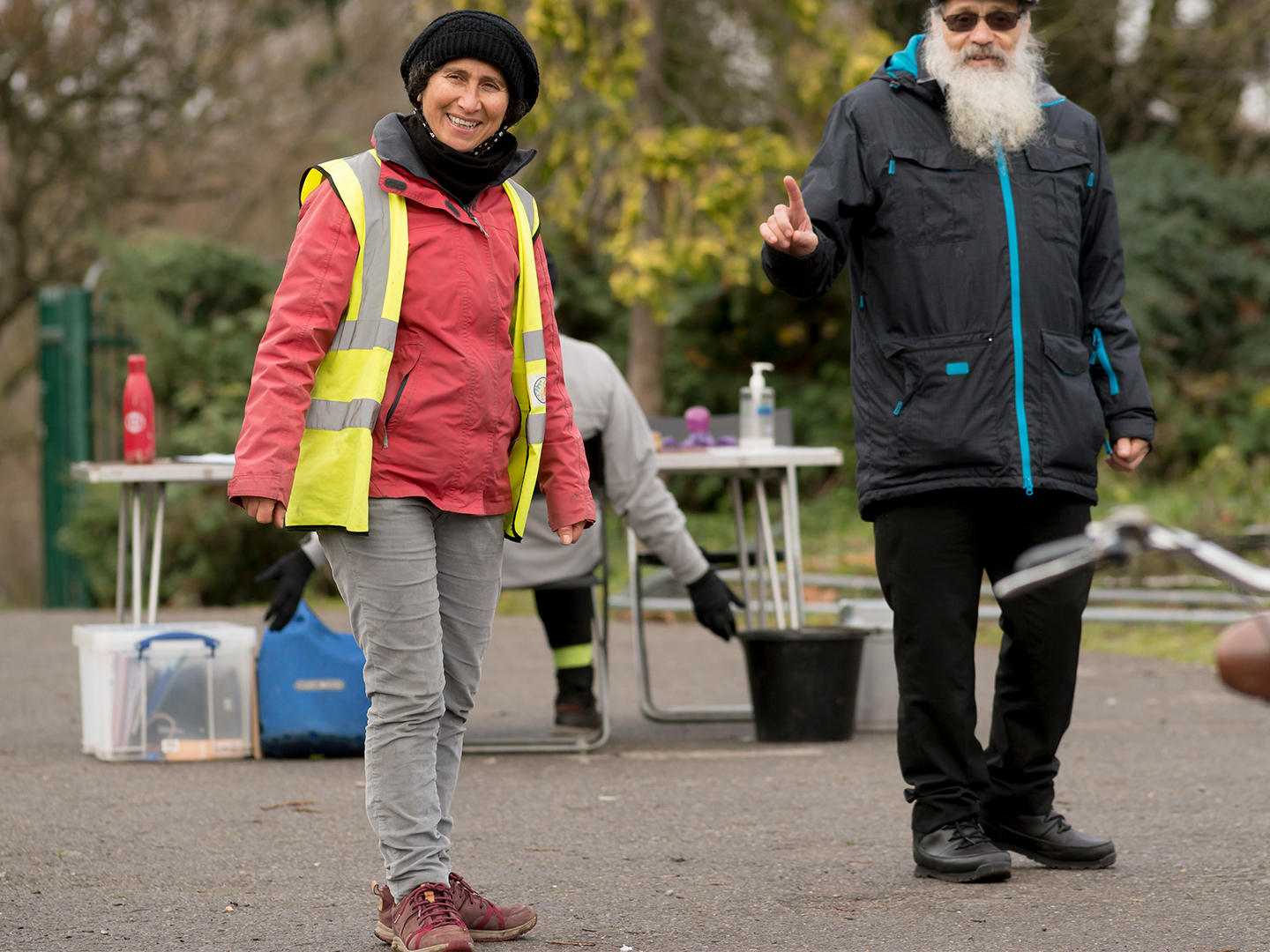
I think a big part of our wide intake is because we’ve got people who volunteer to run our desk, which is your first point of call when you’re new. You go to the registration desk and our volunteers are really very friendly and welcoming. Two of the people who run our desk have got disabilities themselves. The volunteer who mans our phone line for queries is very efficient and helpful. I’m so lucky to have all these amazing people in the background.

 (Brent Cross Town)

What should people do if they would like to become a member?
We insist that anyone who wants to come along must book, which they can do through our website, by sending an email to [email protected] or by calling 0749 037 0347. We’re also on Facebook.

People tend to find us through word of mouth. Speaking as a parent of somebody with a disability, you tend to rely on other parents’ recommendations to say whether it’s a good club or not.

Are there other clubs like this around London?
The Cycling for All network is set up to provide more cycling opportunities for people in London with disabilities and health conditions.

Cycling For All consists of:
Bikeworks (East and West London)
EcoLocal Cycling (South West London)
Pedal Power (North London)
Wheels for Wellbeing (South East London)

Lastly, what is the best thing about your club?
That my daughter is still coming to cycle after all these years!

https://www.pedalpowercc.org

Be the first to know

Subscribe now to be the first to get the latest news, events and happenings at Brent Cross Town sent direct to your inbox.