Remembering the Welsh Harp’s rollicking past

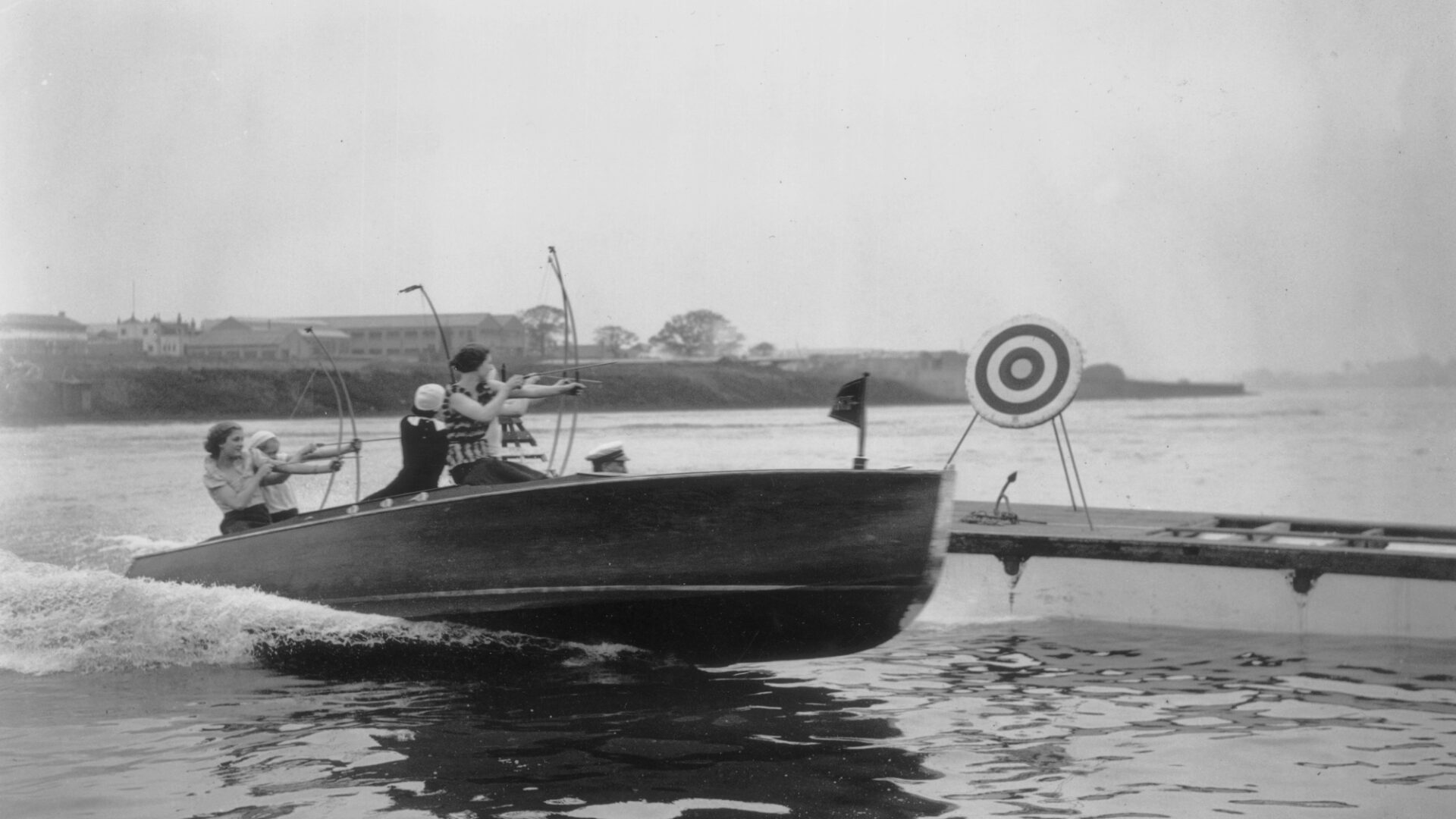
20th May 1932: Archery experts shooting arrows at a target from a speed boat at the Welsh Harp in Hendon, North West London near Brent Cross Town (Brent Cross Town)
A precious pocket of London to watch migratory birds or go for a quiet sail.

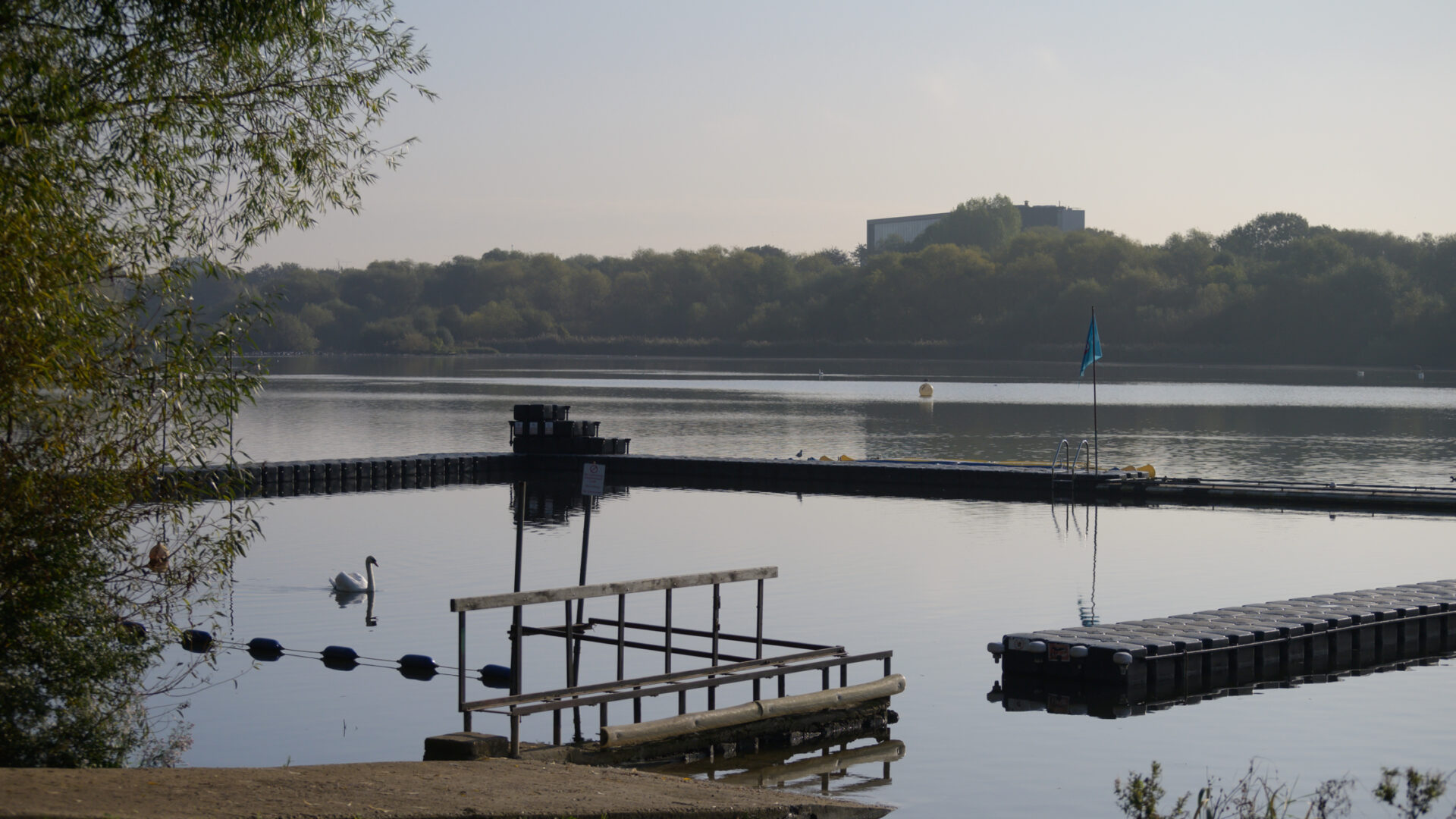
The serenity of today’s Welsh Harp carries few hints of the place’s history. Walking along its wide green spaces, you’d never guess that this reservoir was once the toast of a Victorian drinking song. 

Nowadays the 340-acre nature reserve, centred on a 125-acre reservoir, is a precious pocket of London that feels like you could be amid countryside – a place to watch migratory birds or go for a quiet sail, just to the west of Brent Cross Town.
 (Brent Cross Town)
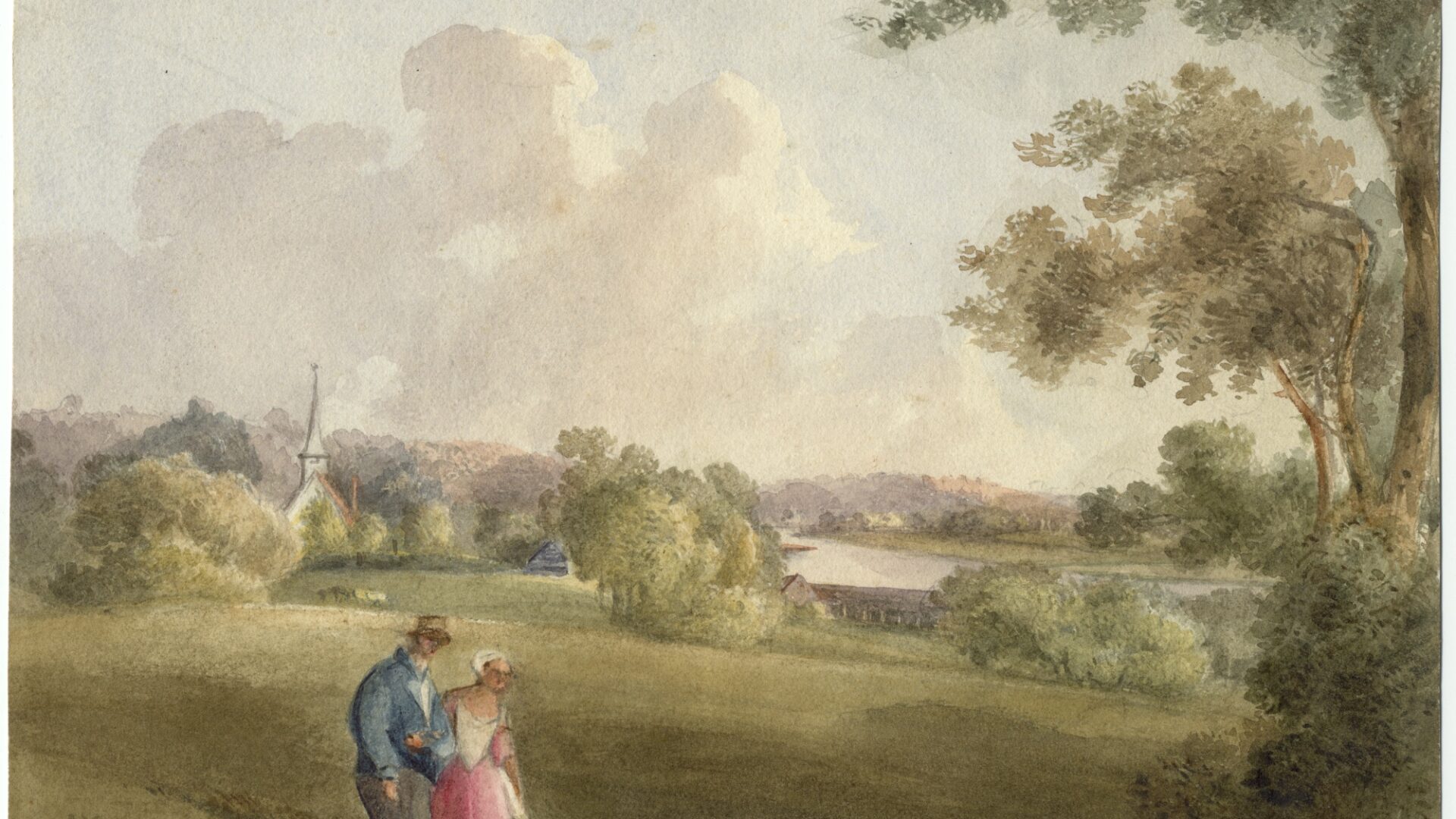
You can catch a glimpse of the water shortly after its creation in this 1850 watercolour is titled ‘Reservoir of the Brent, Kingsbury, Middlesex’. Photo: Brent Archives

Back at the start of the 19th century, this was mostly fields, and there was already a basin where the River Brent met the Silk Stream. But despite the Harp’s official name, ‘Brent Reservoir’, it was not built for drinking water. Instead, in 1833 the site was chosen as the location for an artificial lake to provide water for the canals on the Paddington branch of the Grand Union Canal. The reservoir was once much bigger than it is today; at one point, one arm of the water reached all the way to Colindale, and another reached across what will soon be Brent Cross Town.

The peace was over: by the 1850s, the spot had become a Victorian big day out and was soon nicknamed after the Old Welsh Harp Tavern, which was a popular – if rowdy – place to go for a dance, a drink and a song. Music hall star Annie Adams popularised its attractions in the song ‘The Jolliest Place That’s Out’, which always got drinkers in the Tavern singing along. Jump to 8.30 minutes in the video below by Barnet Council for a rendition.

Crowds gathered here in 1890 to watch daredevil Miss Emmie De Voy jump out of a balloon in a parachute. The balloon was filled with gas from the mains, and set flight from the Tavern grounds. Amazingly, the fearless parachuter made it back in one piece, and the crowds followed her as she drifted off course and landed in the water. 

On bank holidays, thousands of people arrived by train from the City and Camden to enjoy the fairs. There was fishing, boat hire, swimming galas, bowls and cricket. Sporting events of all kinds were held here, especially boxing matches, and in the winter people would skate across the frozen water. Horseracing events were very popular, until the fun ended when horseracing was banned within ten miles of London for promoting vice. In 1868, the UK’s first bicycle race was held at the Welsh Harp, with a silver cup awarded to the winner, who was riding a velocipede. Some locals even had a side hustle serving tea to visitors in their living rooms.

Crowds gathered in 1890 to watch daredevil Miss De Voy jump out of a balloon in a parachute.
 (Brent Cross Town)
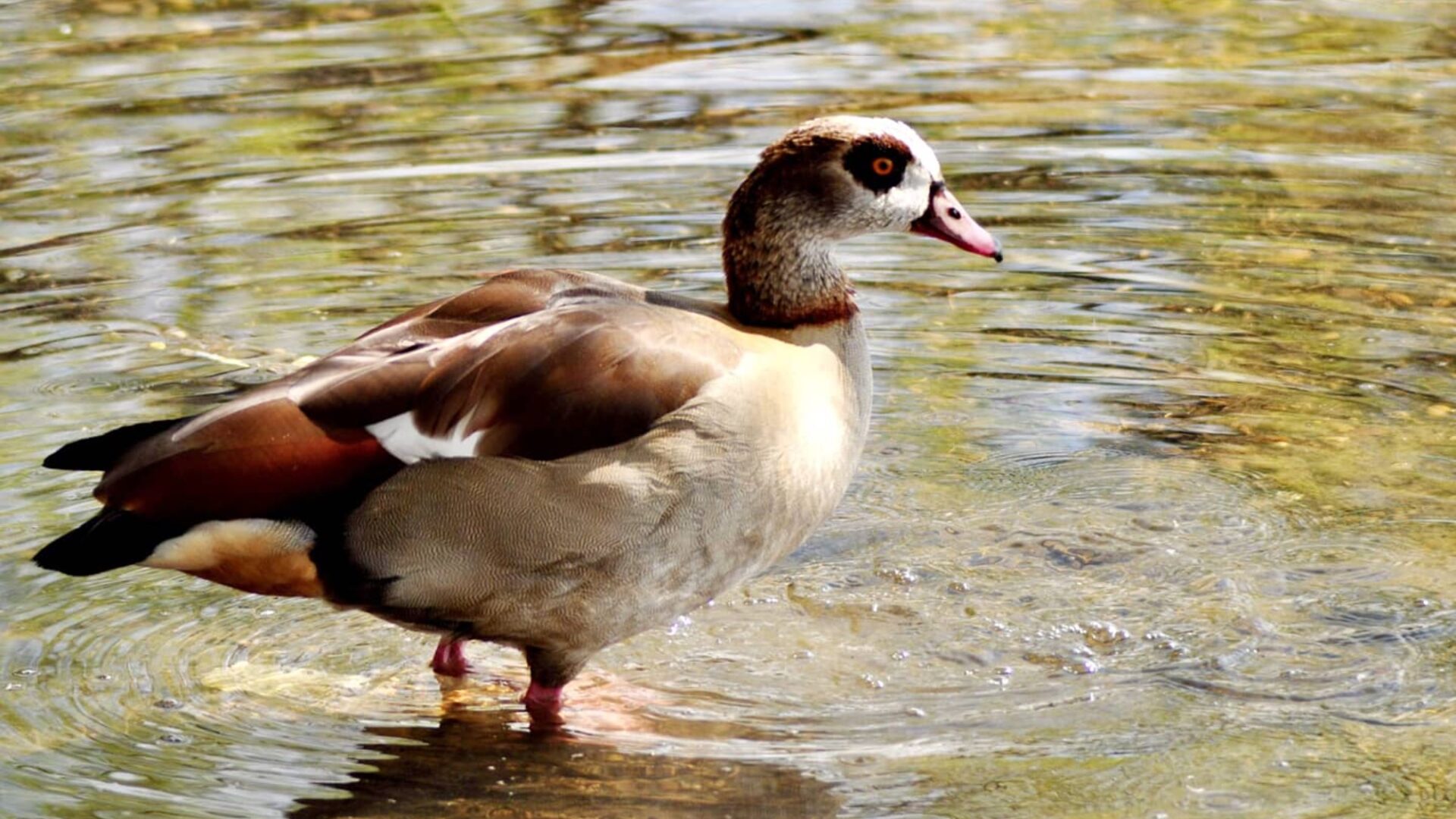
Today this is a spot famed for bird life. This Egyptian goose was spotted on the reservoir by Friends of the Welsh Harp.

Back then, the pub and reservoir were so popular that the Midland Railway company opened the Welsh Harp station in 1870. Nothing remains of it now, but it stood near where the new Brent Cross West station will be. The station only lasted 33 years, and the pub that named the area is gone too; the appeal of the reservoir faded as the surrounding area was built up.

But while the Welsh Harp’s beginnings were far more rural, it remains an important wildlife habitat today. The reservoir attracted the first great white egret in London, and other rare birds who make their homes there are the little bittern, the squacco heron, and the white-rumped sandpiper. The water remains popular among rowers, sailors and canoeists – the Welsh Harp Sailing Club and Wembley Sailing Club are both based here – but the northern part of the reservoir is kept boat-free to protect waterfowl. 

Now, the Welsh Harp is in for a sprucing up: the Friends of the Welsh Harp have spent the spring clearing away rubbish. Because it’s home to protected bird and plant species, Barnet and Brent Councils also have a management plan to maintain it, not just as a green space for everyone to enjoy but also to protect its ecological diversity. And, with the new station coming at Brent Cross West, the Welsh Harp will once again be within easy reach of Londoners.

Sign up to our newsletter for more stories from Brent Cross Town, or read more about birds to spot nearby.

Photo at top: Archery experts shooting arrows at a target from a speed boat at the Welsh Harp in 1932. Photo courtesy of H. F. Davis/Topical Press Agency/Getty Images

 (Brent Cross Town)
Photo: Tian Khee Siong

Be the first to know

Subscribe now to be the first to get the latest news, events and happenings at Brent Cross Town sent direct to your inbox.