Why adults need play too

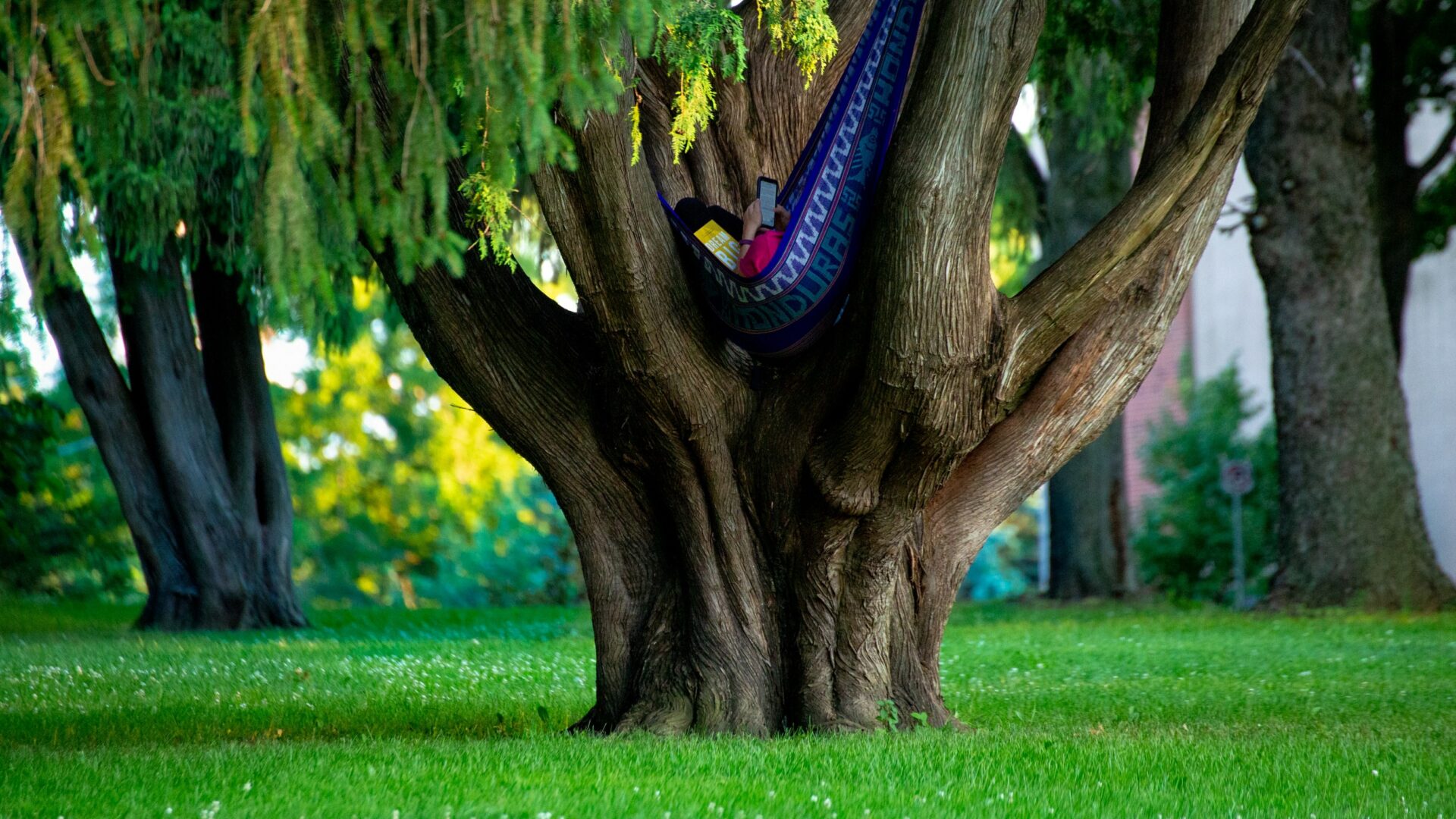
Woman in a tree in a hammock (Brent Cross Town)
It’s the same for anyone of any age. People just want to have fun.

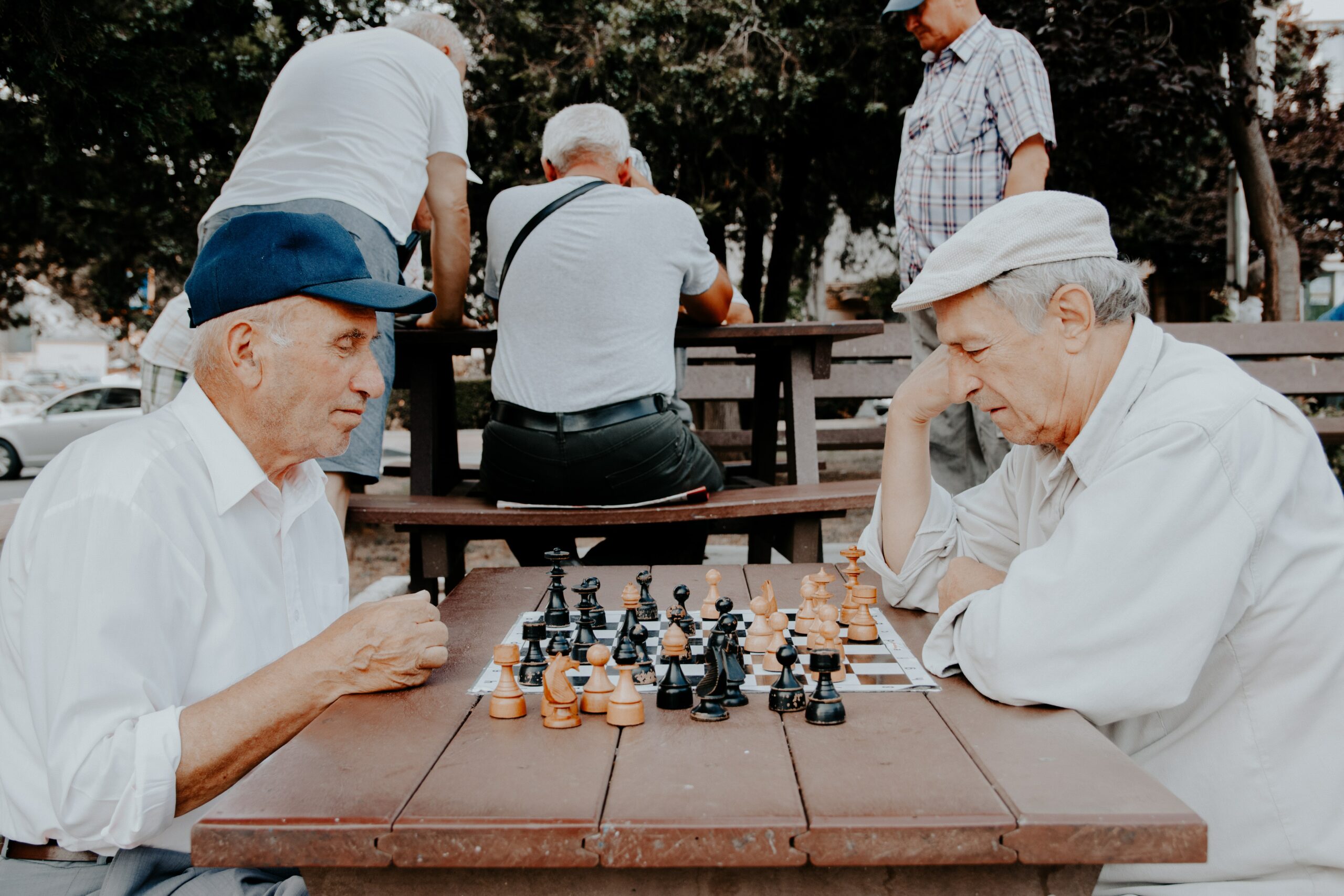
How do adults play? When kids play, it’s obvious: they’re digging in a sandbox, wheeling cars along or skipping ropes. Adults often play by doing sport, but what about chess, scrapbooking or a walk in the woods? Goofing around on the beach with friends? 

Brent Cross Town will be the place in London for sport and play, with 50 acres of green parks and playing fields. Play means traditional sports like football and hockey, but it also means so much more.

“Play is done just for fun and no other results and outcomes are expected,” write  researchers at Lund University, defining play as a behaviour that is “voluntary, fun, frivolous and imaginative” – in short, pretty much anything we do for enjoyment. That sounds simple enough, but when you dig under the surface, there’s a lot more to the science of why we should never stop playing.
 (Brent Cross Town)
It's obvious when children are playing, but for adults play can look very different. Photo by Vlad Sargu

“Kids play because they enjoy it and have fun. It’s the same for anyone of any age. People just want to have fun,” says Dr Claire Jenkin, a senior lecturer in sports development at University of Hertfordshire. Her research focuses on how to get adults engaged in physical activity. Any activity, from a basketball game to a leisurely walk, benefits us in everything from health to social connections: “Particularly over this last year, there’s been a lot focus on sport and play in relation to mental health issues,” says Jenkin. 

A study from the University of Illinois found that adults who were playful were less stressed, and less likely to resort to negative coping strategies. Playfulness provides “specific cognitive resources from which [people] can manifest effective coping behaviours in the face of stressful situations,” wrote the researchers, concluding that it may have a role in fostering resilience. Meanwhile the Lund University team concluded that when adults play, it makes them more creative at work through encouraging openness and collaboration. 

Inevitably, adult motivations creep into our play – but that’s okay as long as it’s still enjoyable. You may join a five-a-side football league to stay fit, or hang out with friends. Play is a way to stay sharp, which might be why you enjoy playing darts in the pub. Yoga may be a means to get lean, or to relax and reduce stress, or it could be a spiritual exercise. Or perhaps you just really get into LEGO to unwind, like David Beckham.

 (Brent Cross Town)
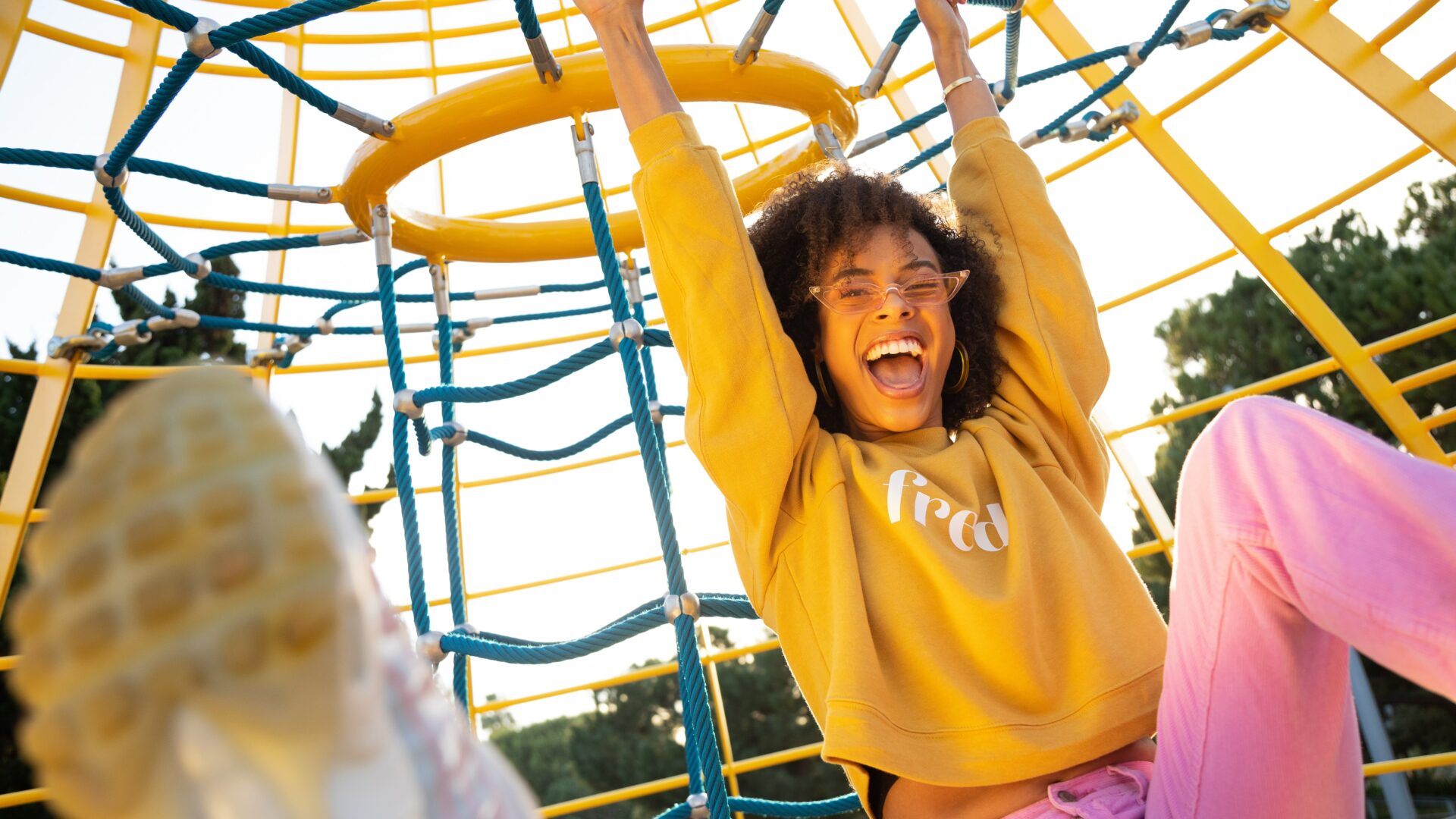
When adults play, it makes them more creative at work through encouraging openness and collaboration. Photo by Team Fredi

Even if we know that we benefit immensely from play and sport, life can get in the way: “There’s usually a big drop-off during adolescence and when people leave school, especially for girls. There’s also a drop-off when people become new parents,” says Jenkin. Bereavement and retirement also have an impact, but facilities matter too: if you move close to a great, well-maintained park, chances are you’ll start going there. 

The barriers preventing people from playing and being active can be incredibly specific: “My colleagues and I did a literature review study on [how facilities impact female participation]. For some it was the lack of childcare, or wanting a specific area to breastfeed so they didn’t have to do it sitting on the toilet. Others wanted a safer car park which didn’t require them to walk through a dimly-lit area to get to the venue,” adds Jenkin.

The more natural and normal play becomes, it would do a lot to reduce the barriers for adults who want to play.

Self-consciousness can kick in. “Adults are probably more likely to play if they’re with children, because then there’s a reason,” says Jenkin. But play equipment aimed at adults can nudge people into having a go. Adult playgrounds are becoming a thing, and who can resist a grown-up sized ball pit? “The societal culture around adults playing is a massive issue, and this is a barrier that’s a lot harder to mitigate,” says Jenkin. “The more natural and ‘normal’ it becomes, it would do a lot to reduce the barriers for adults who want to play.”

Next time you’re out with friends, bring along a hacky sack and see who’ll join you. Or on your next walk to the bus, look out for a low wall to balance along. Once you start looking for opportunities to play, you might find that they multiply. Maybe you wouldn’t call the activities you do in your free time ‘play’, but if you enjoy them, don’t knock ‘em! No matter our age, we all need to have fun.

Read more about our plans for making London’s destination for sport and play for everyone, or sign up to our newsletter for more stories and progress from Brent Cross Town. Photo at top by Solen Feyissa.

Be the first to know

Subscribe now to be the first to get the latest news, events and happenings at Brent Cross Town sent direct to your inbox.